
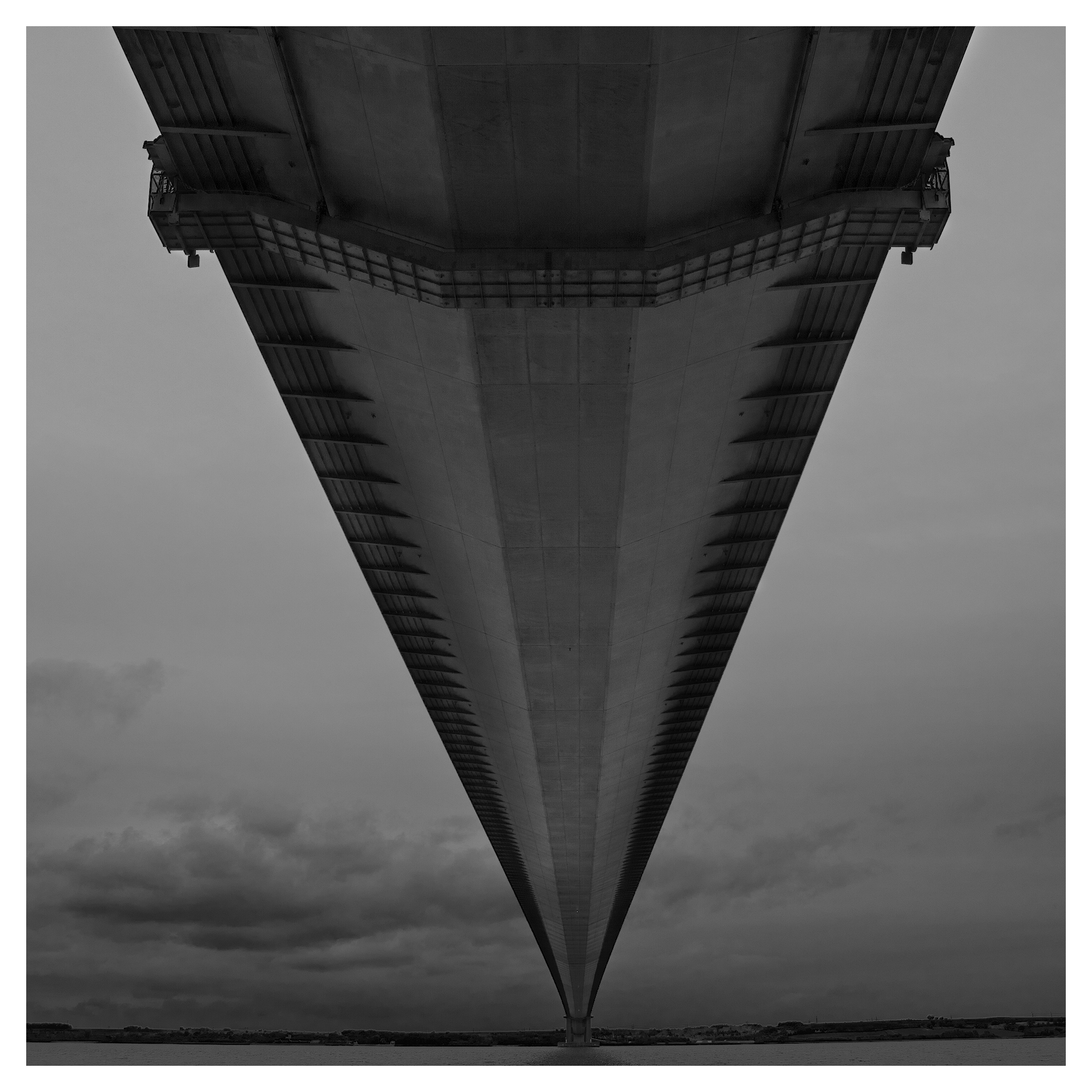
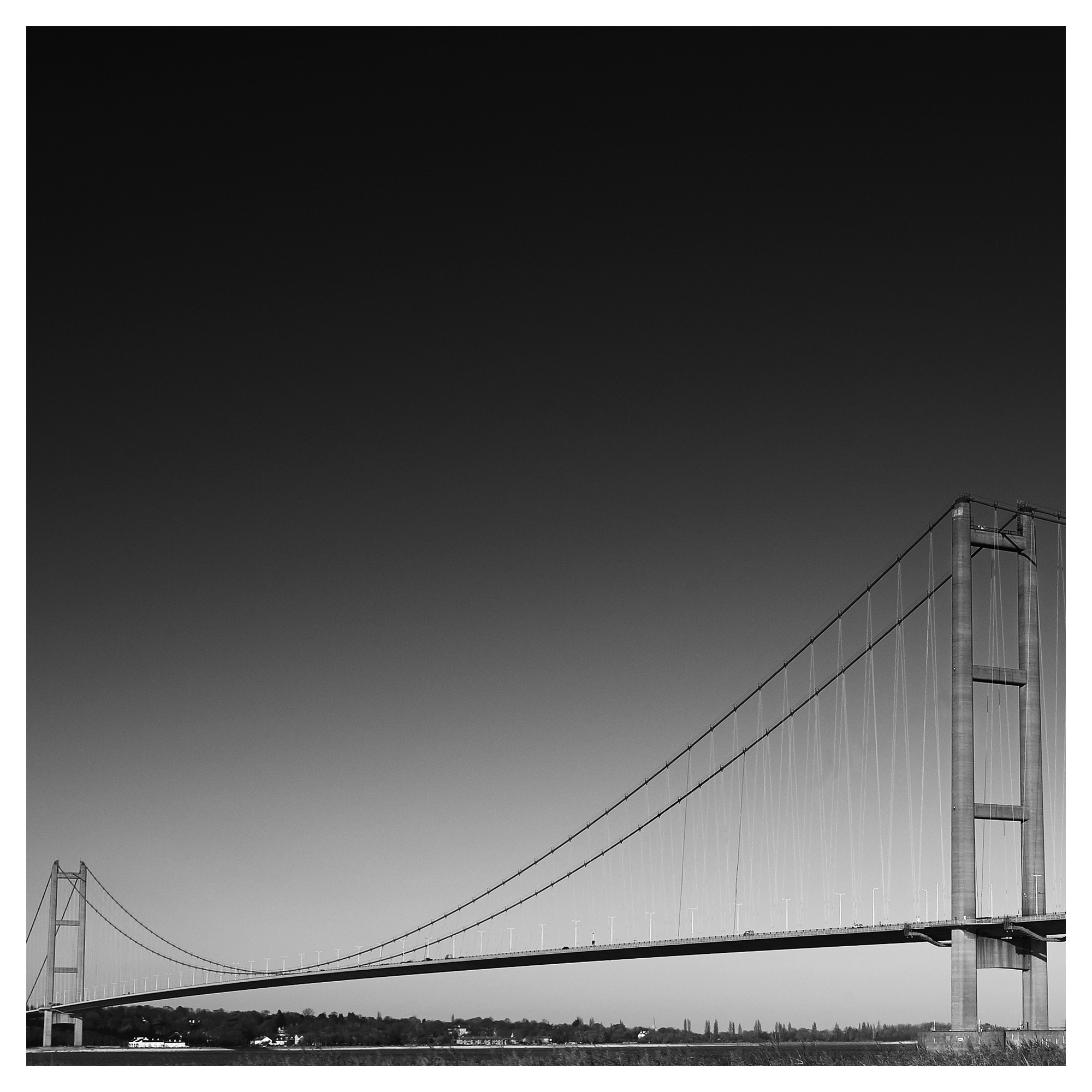
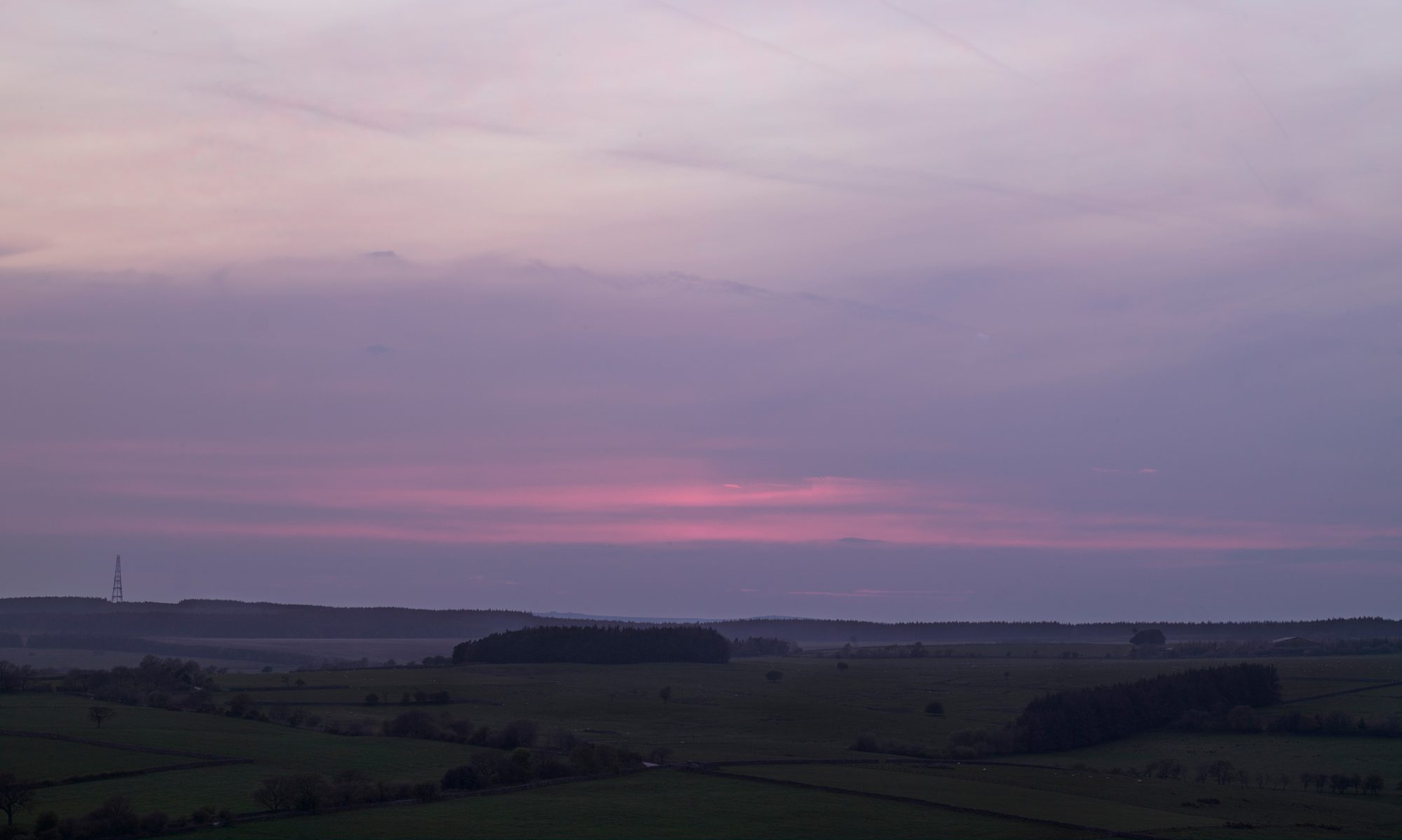
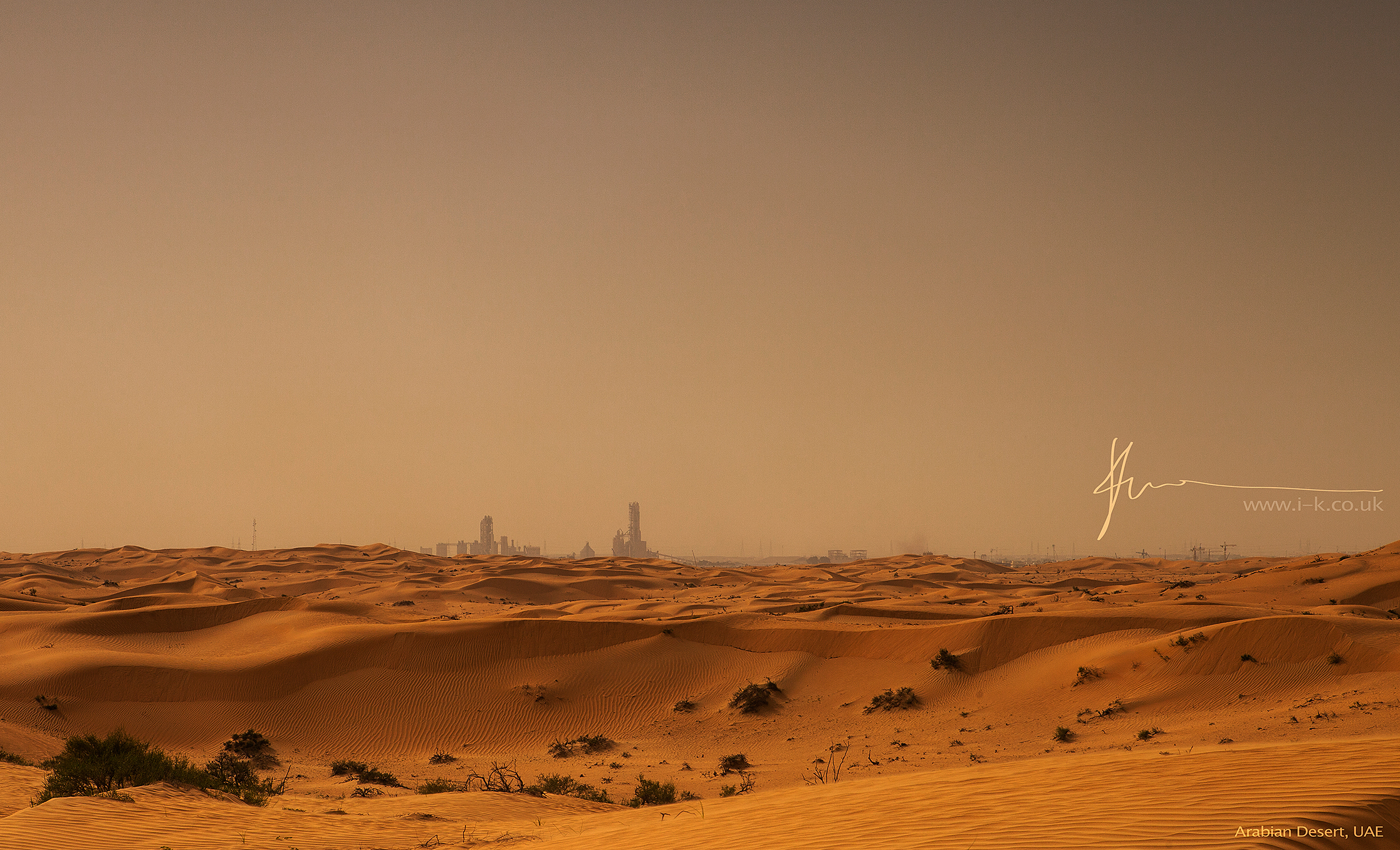
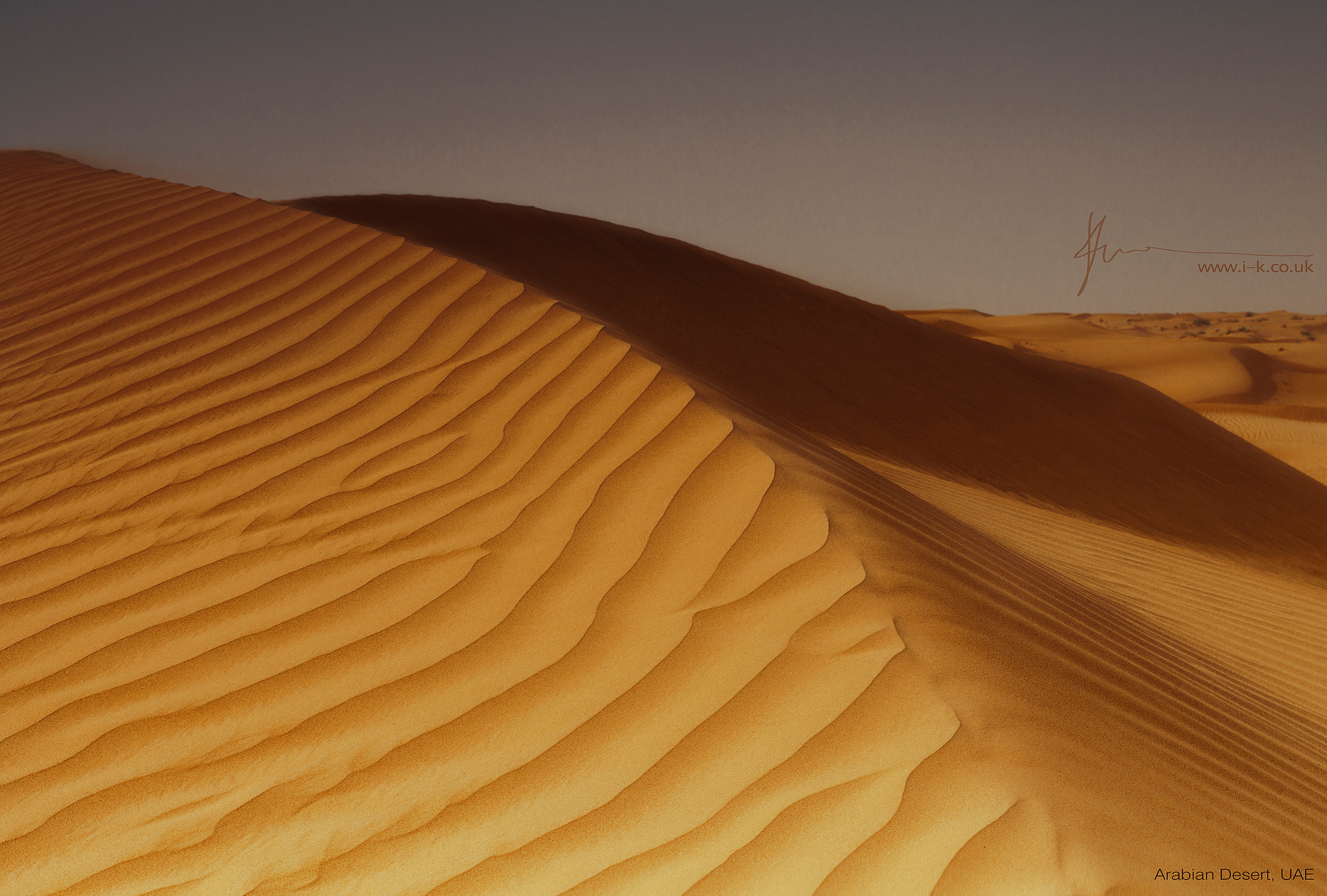

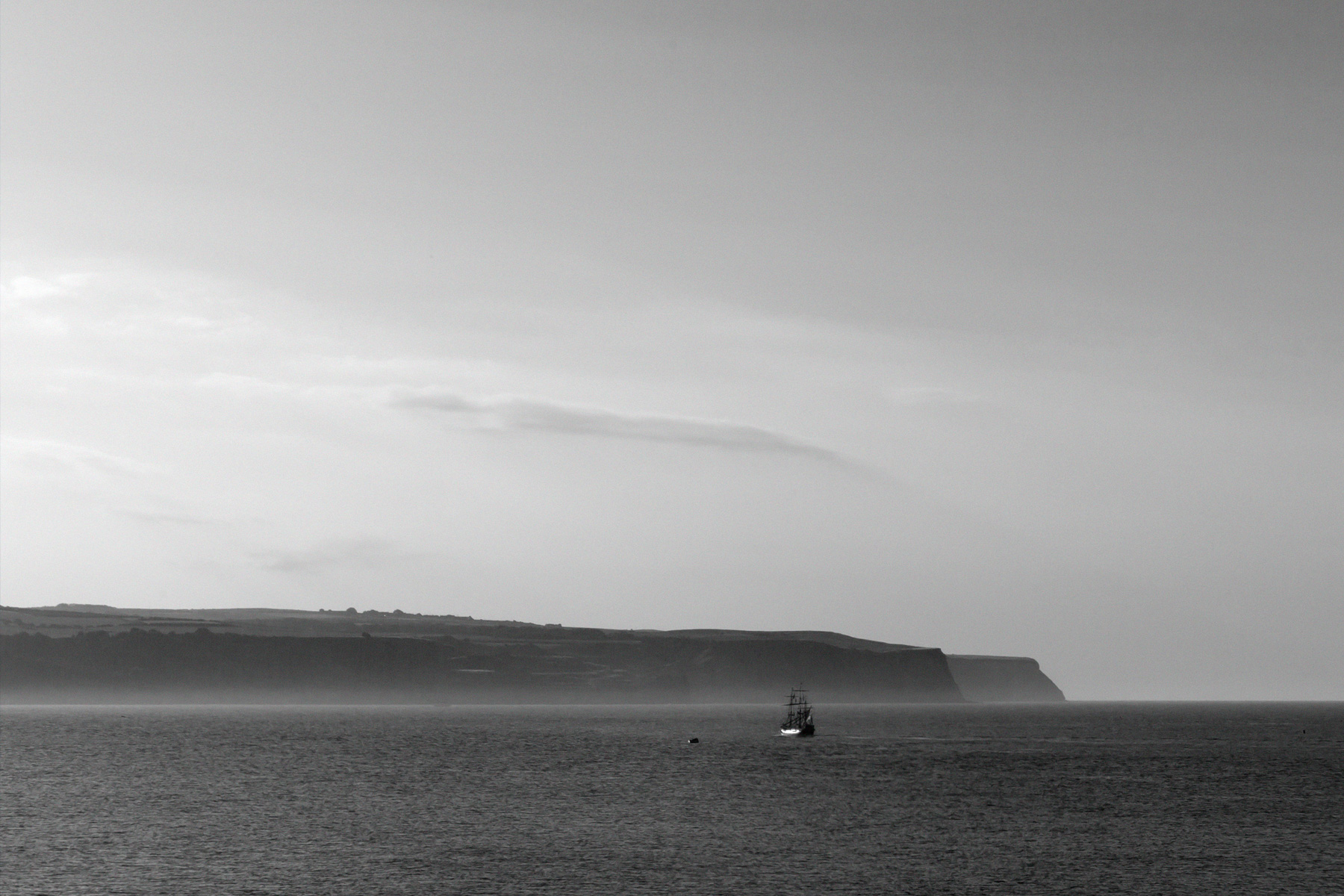
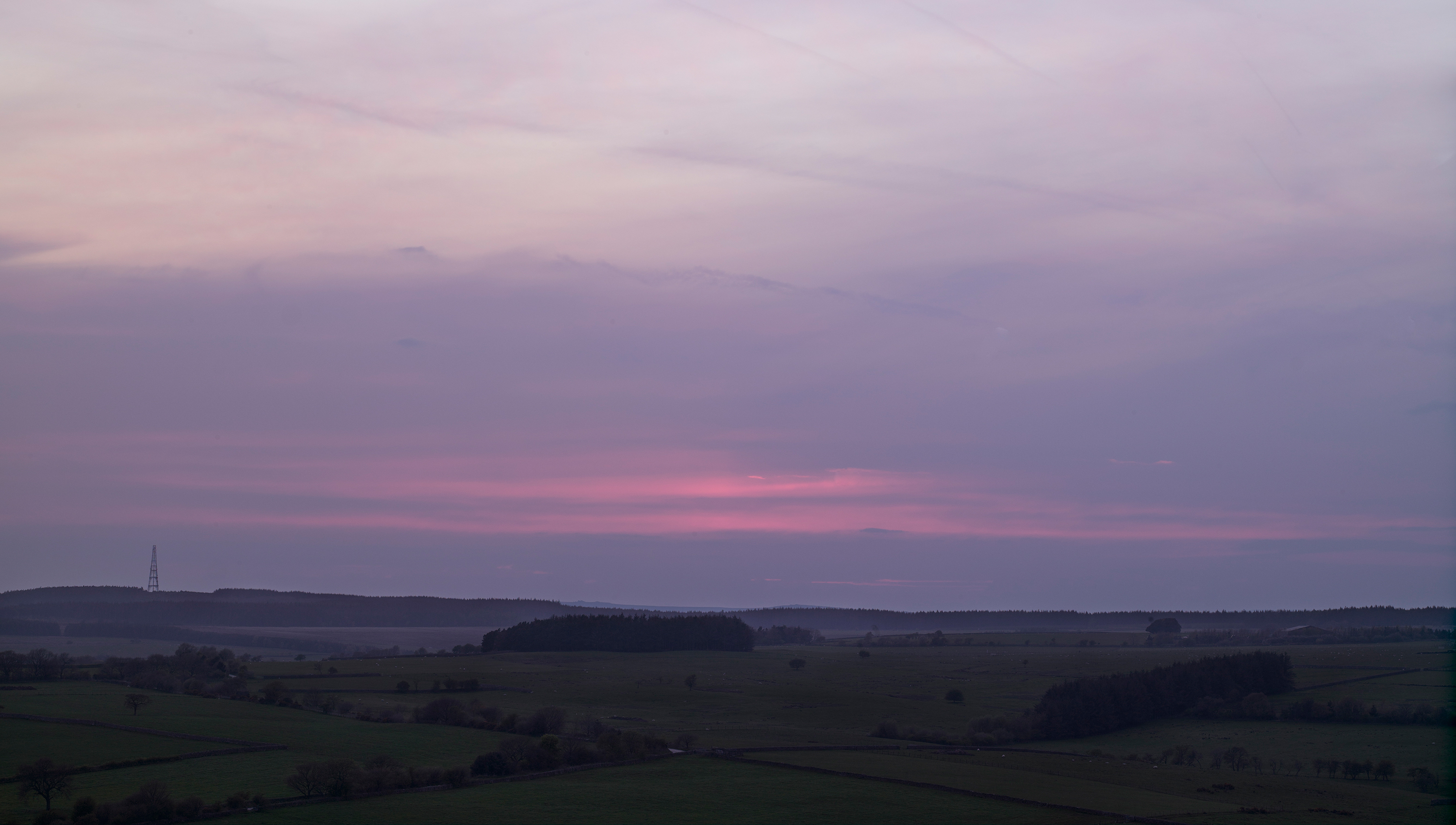
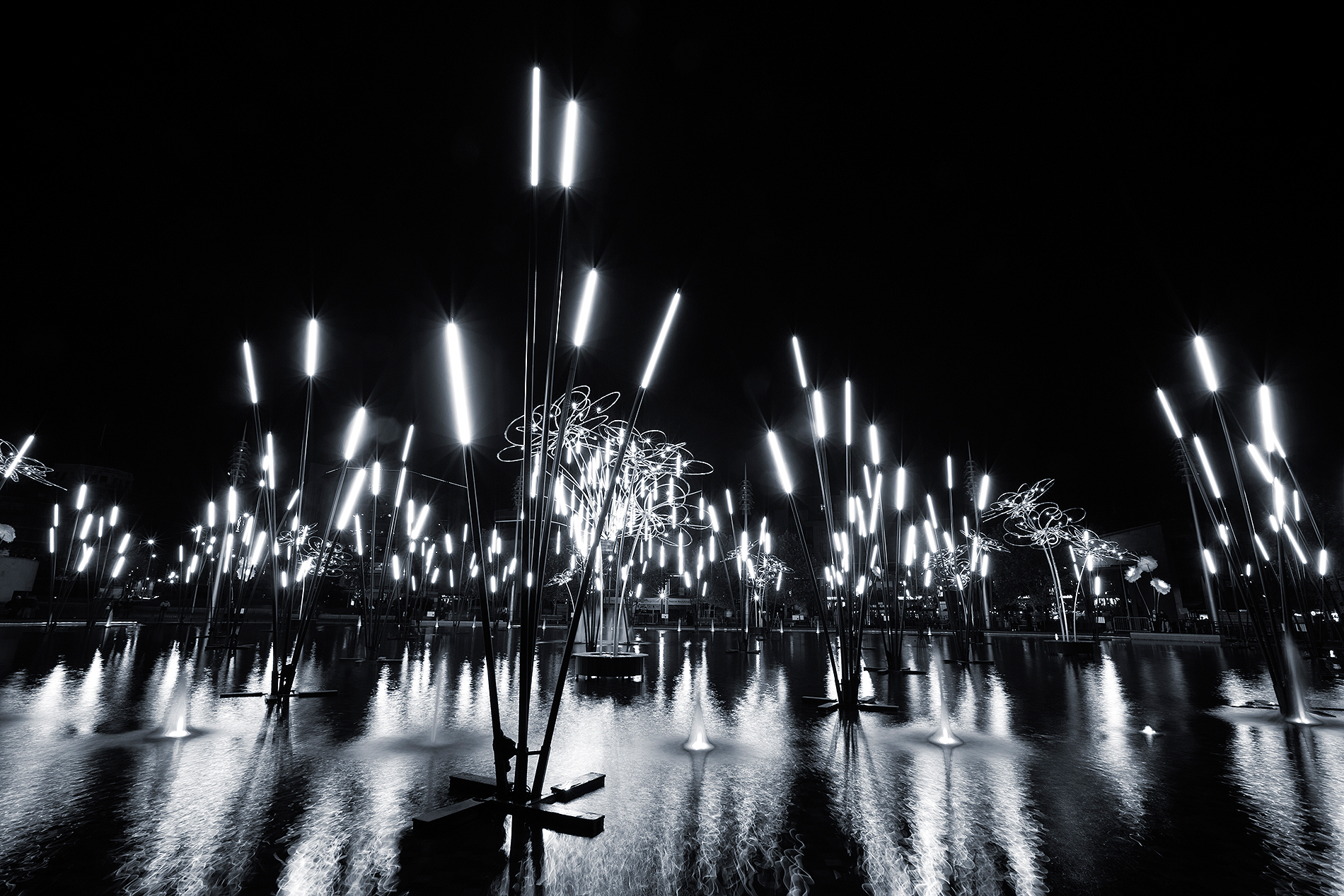
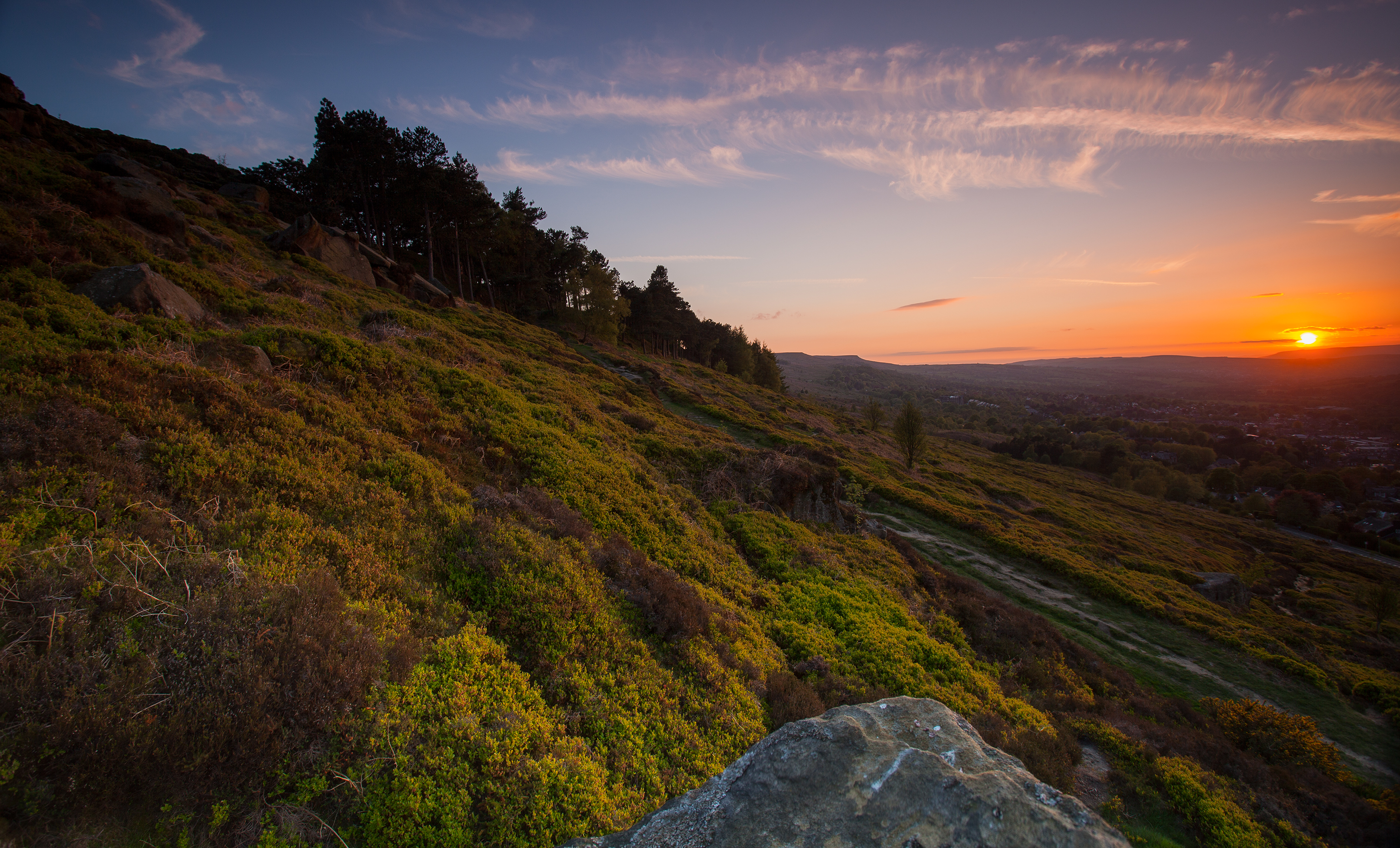
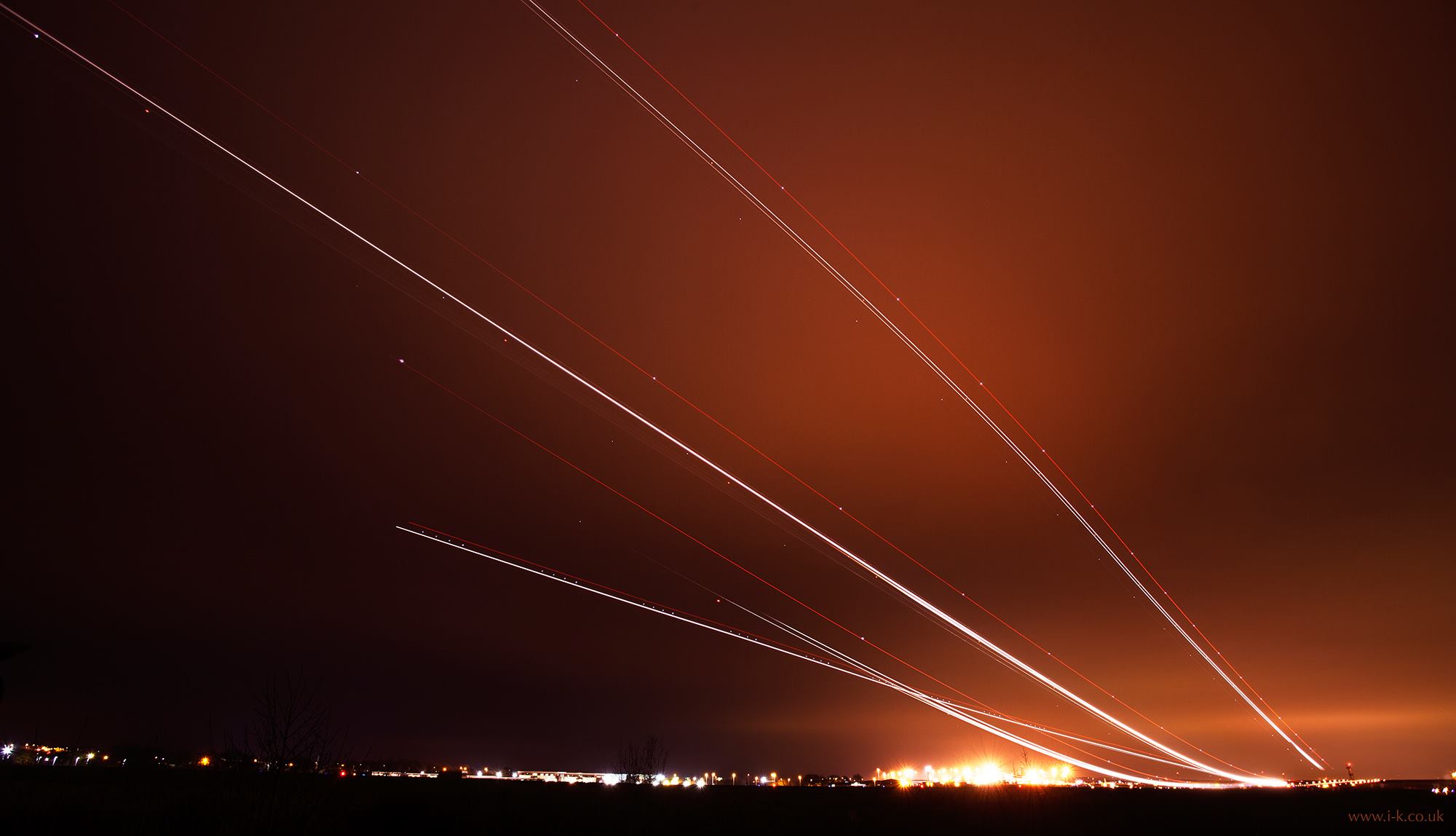
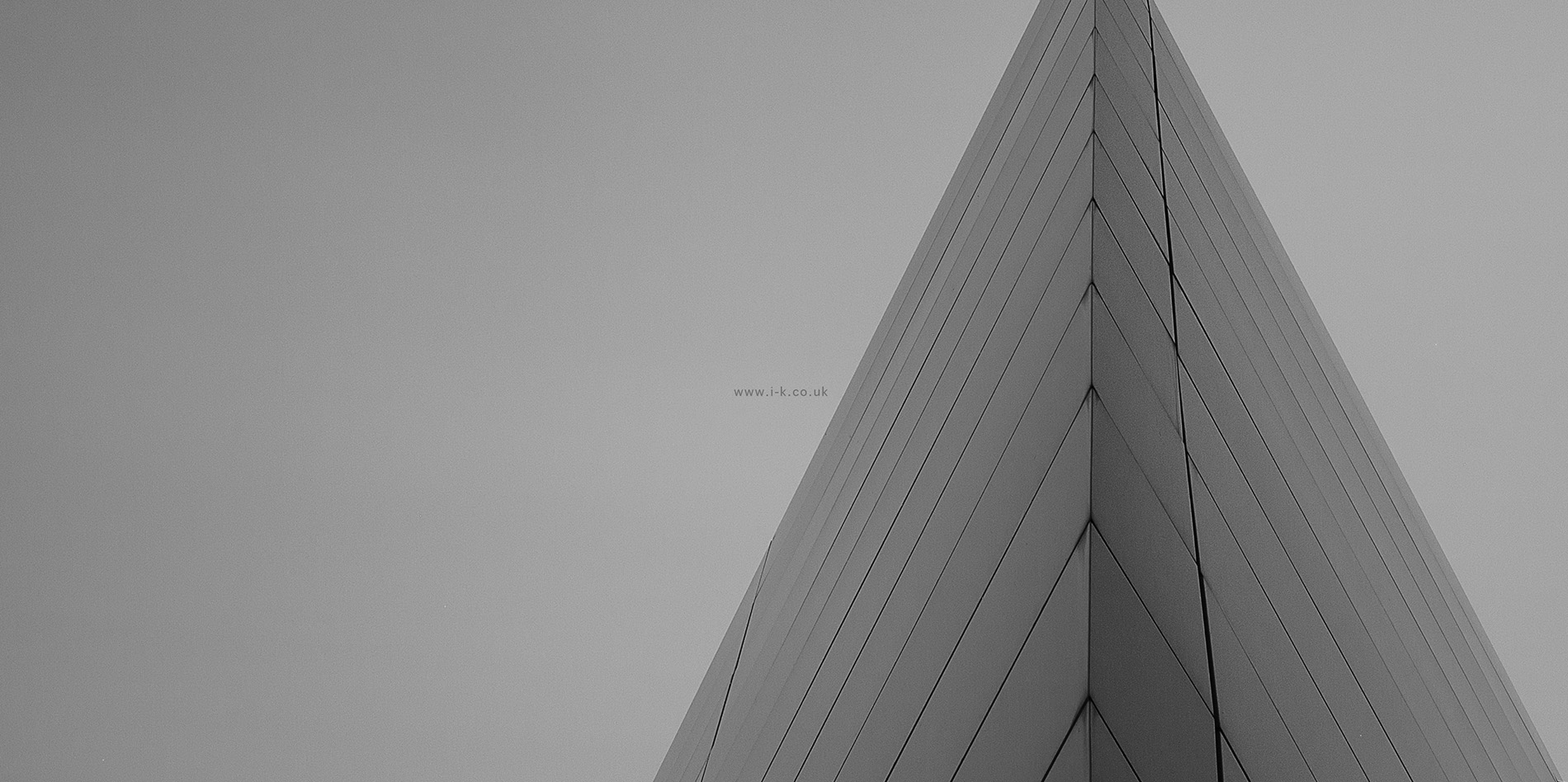
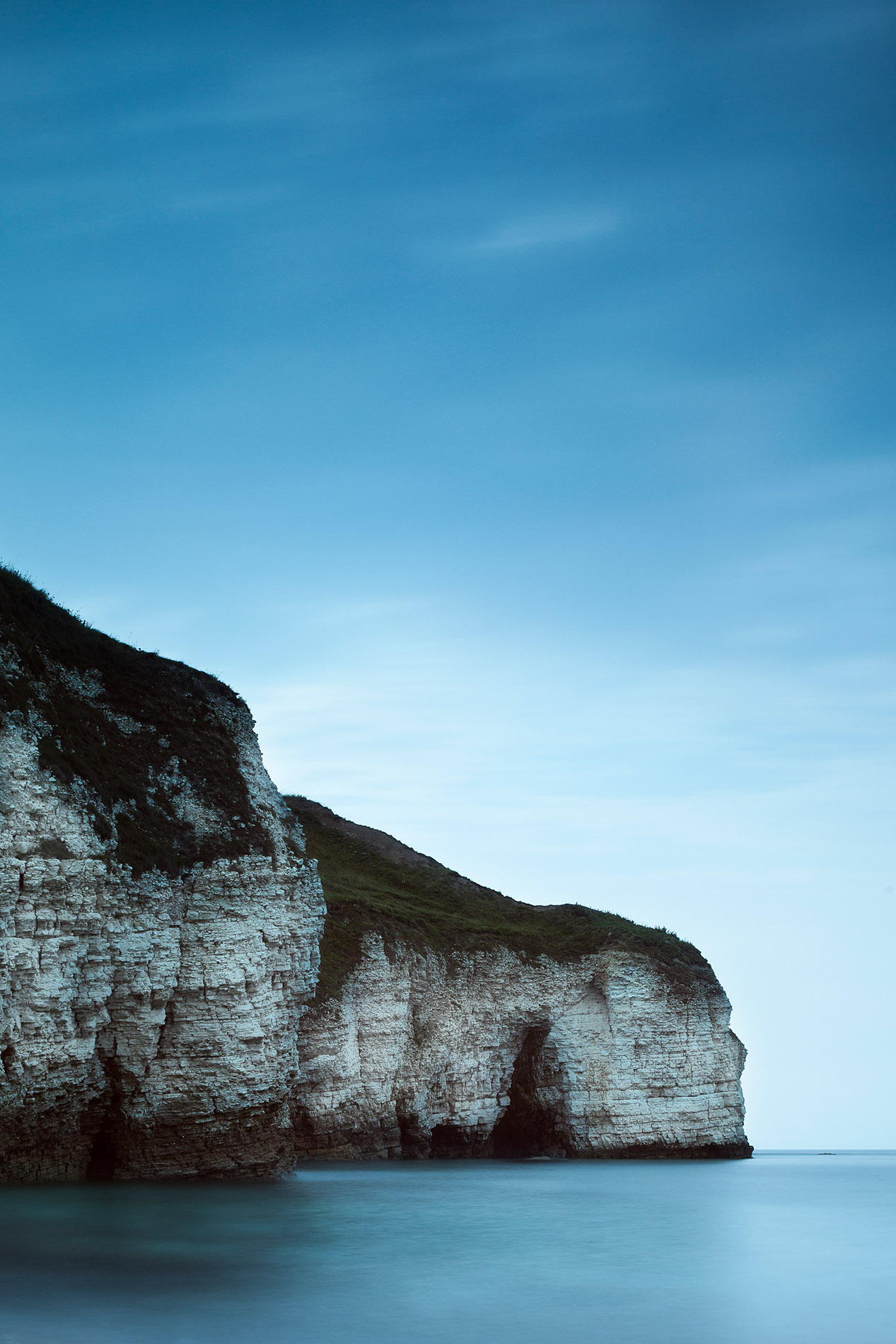
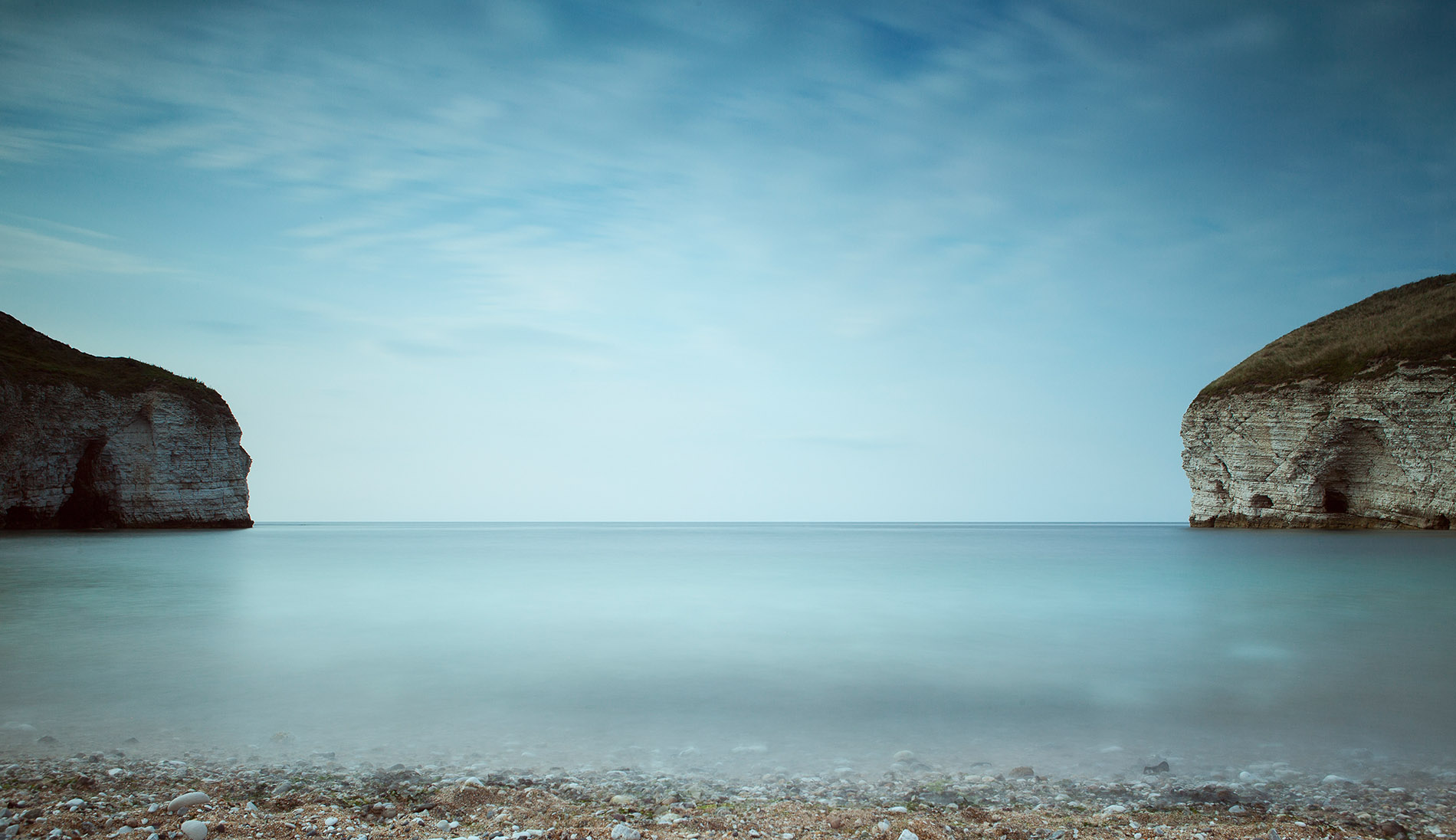
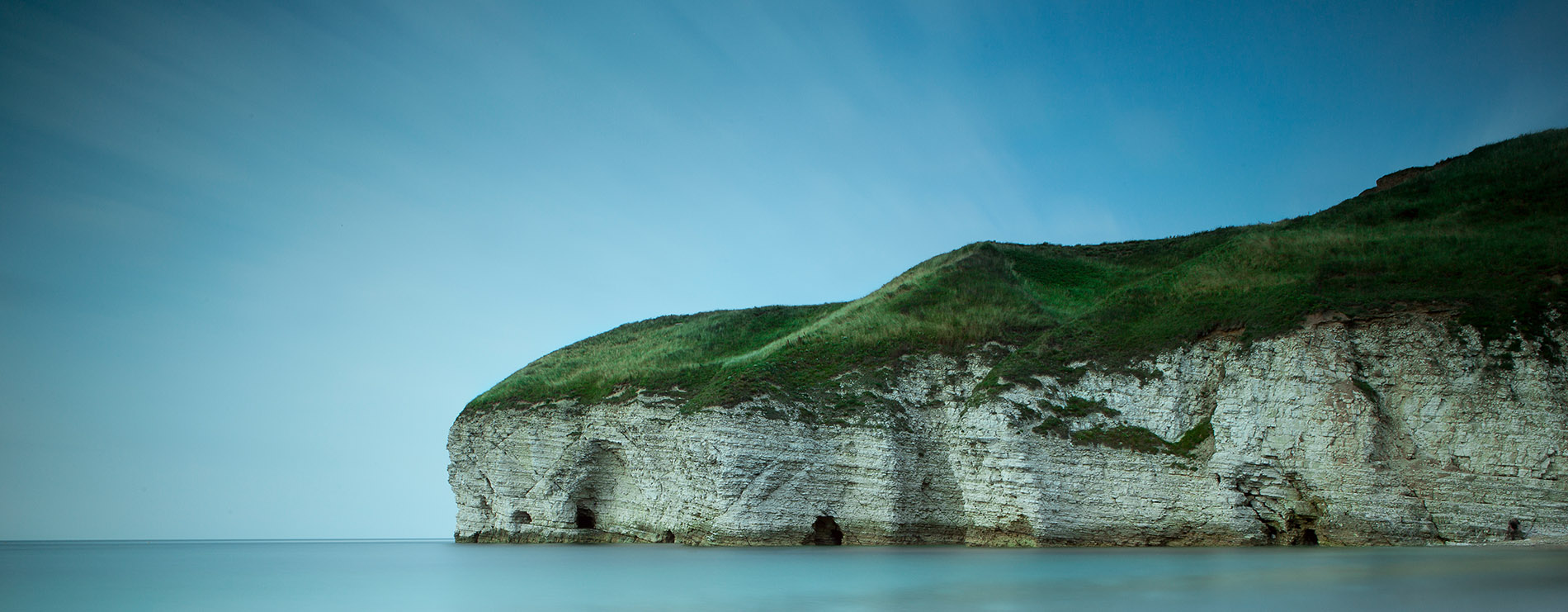
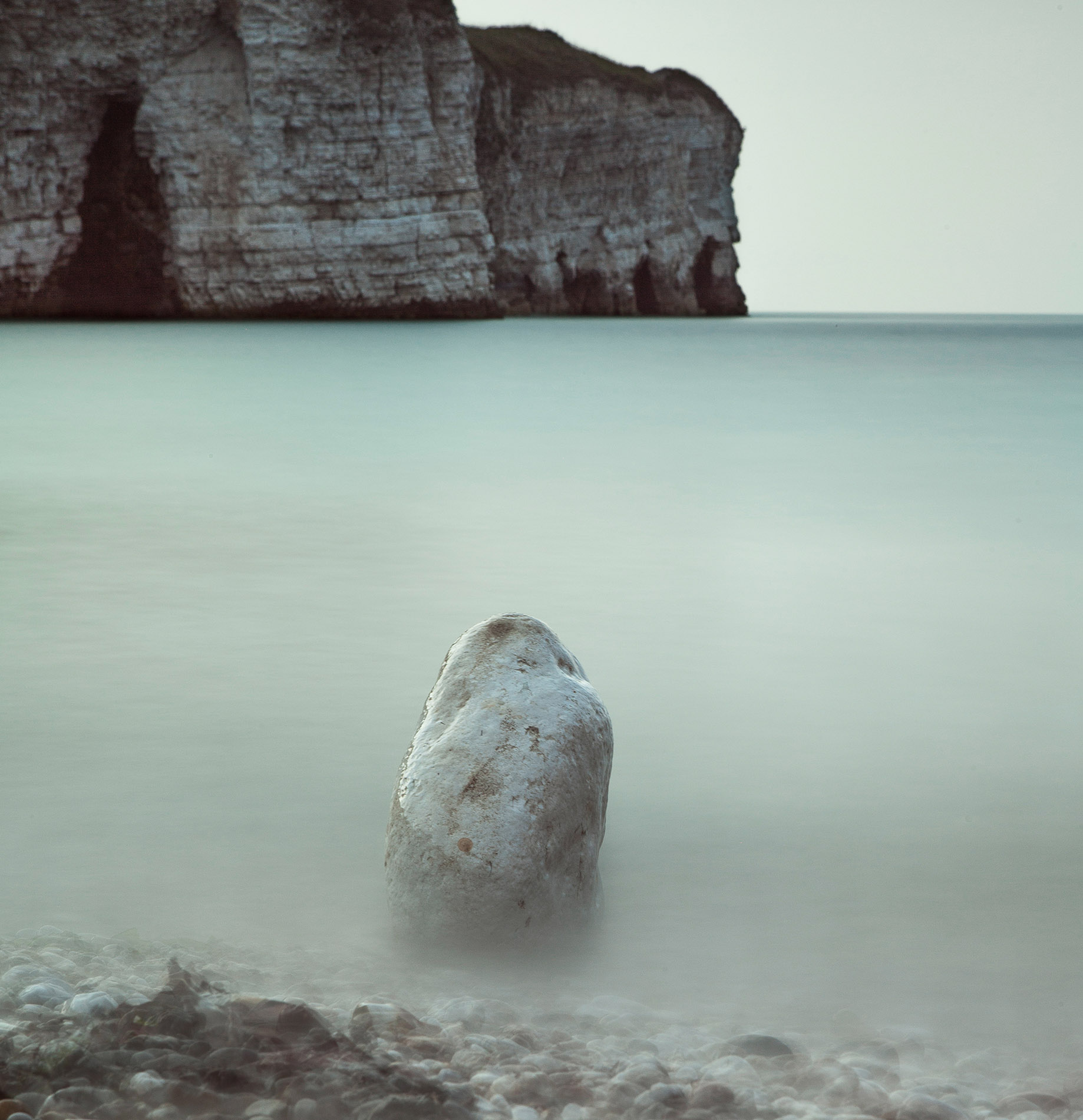
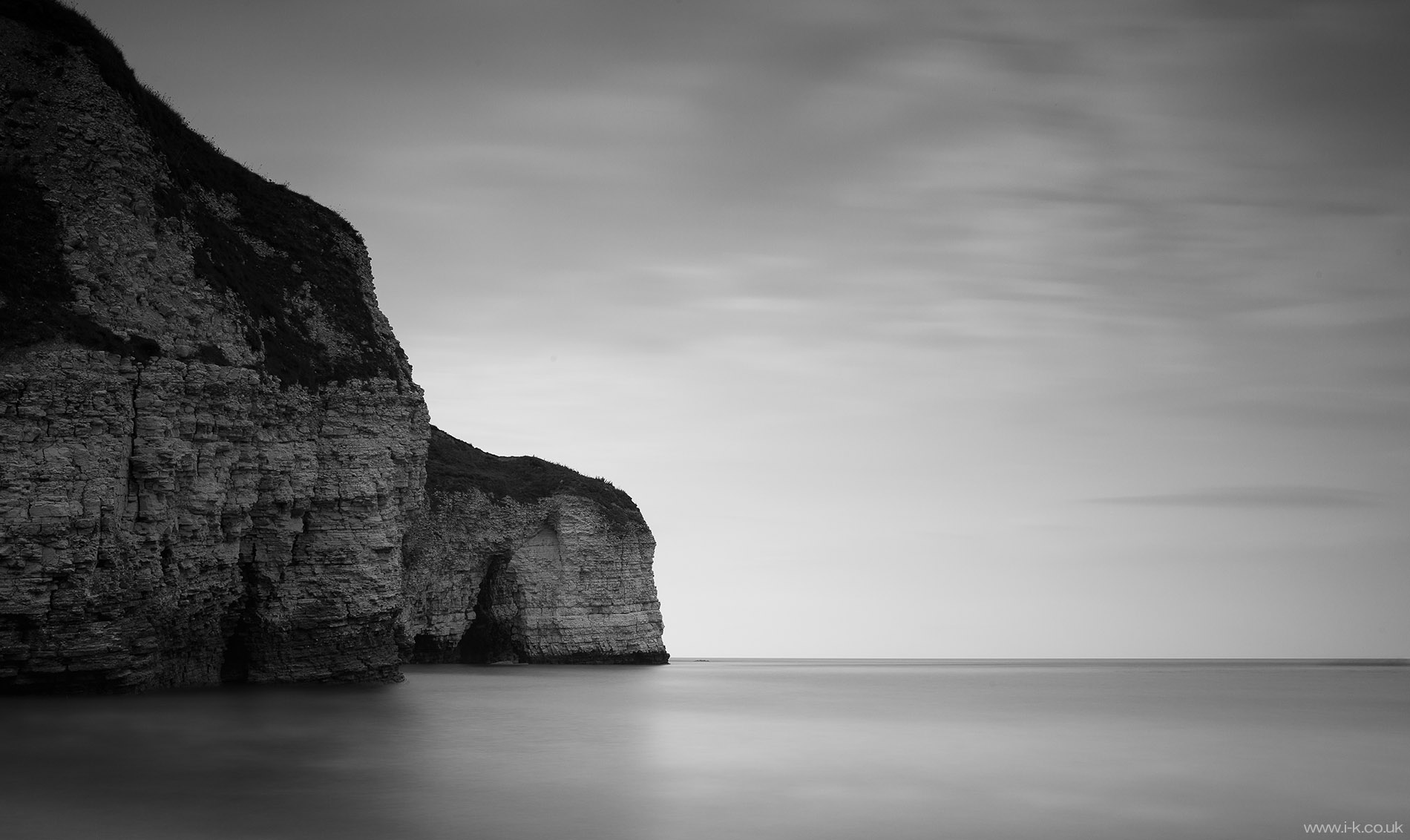


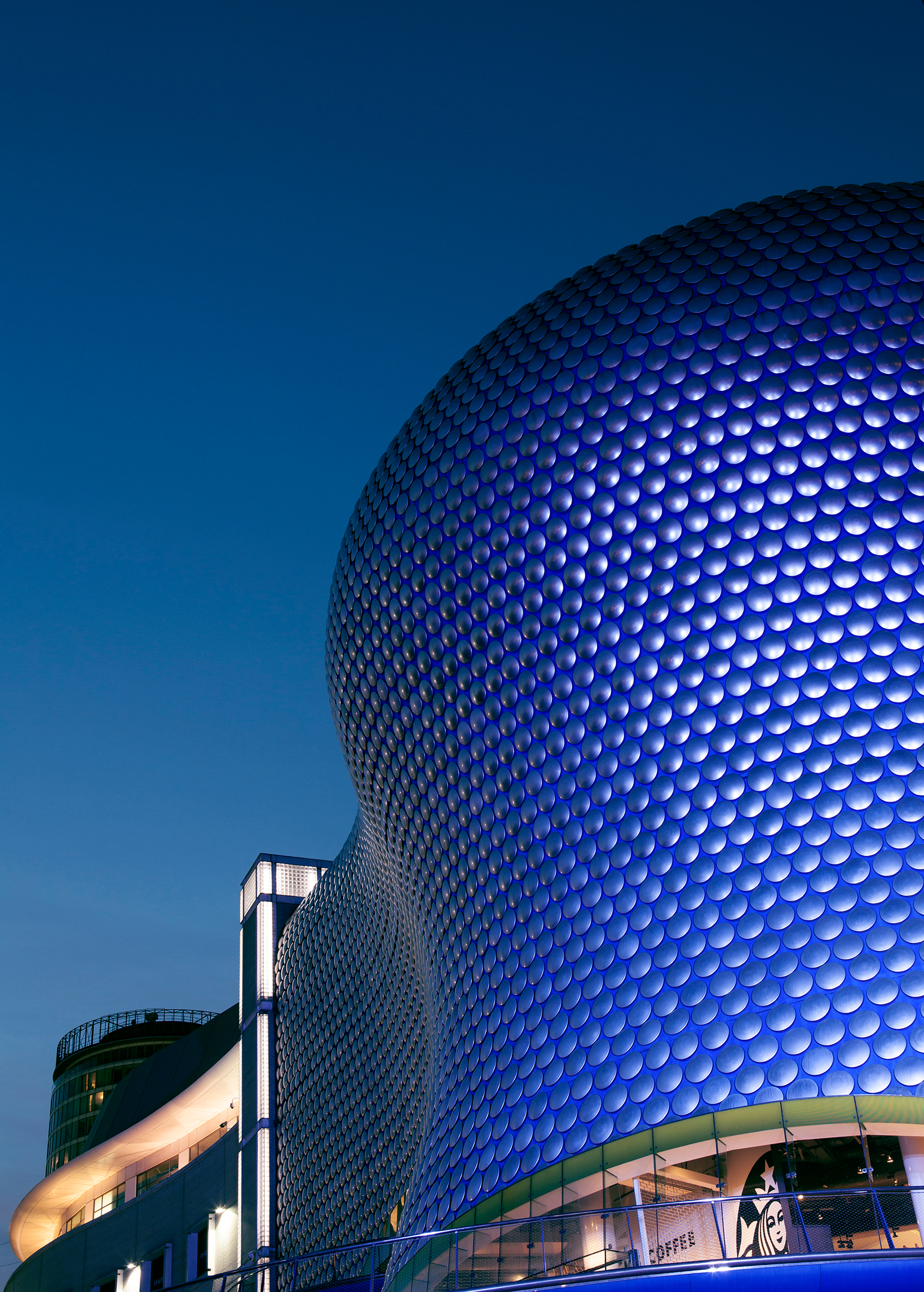

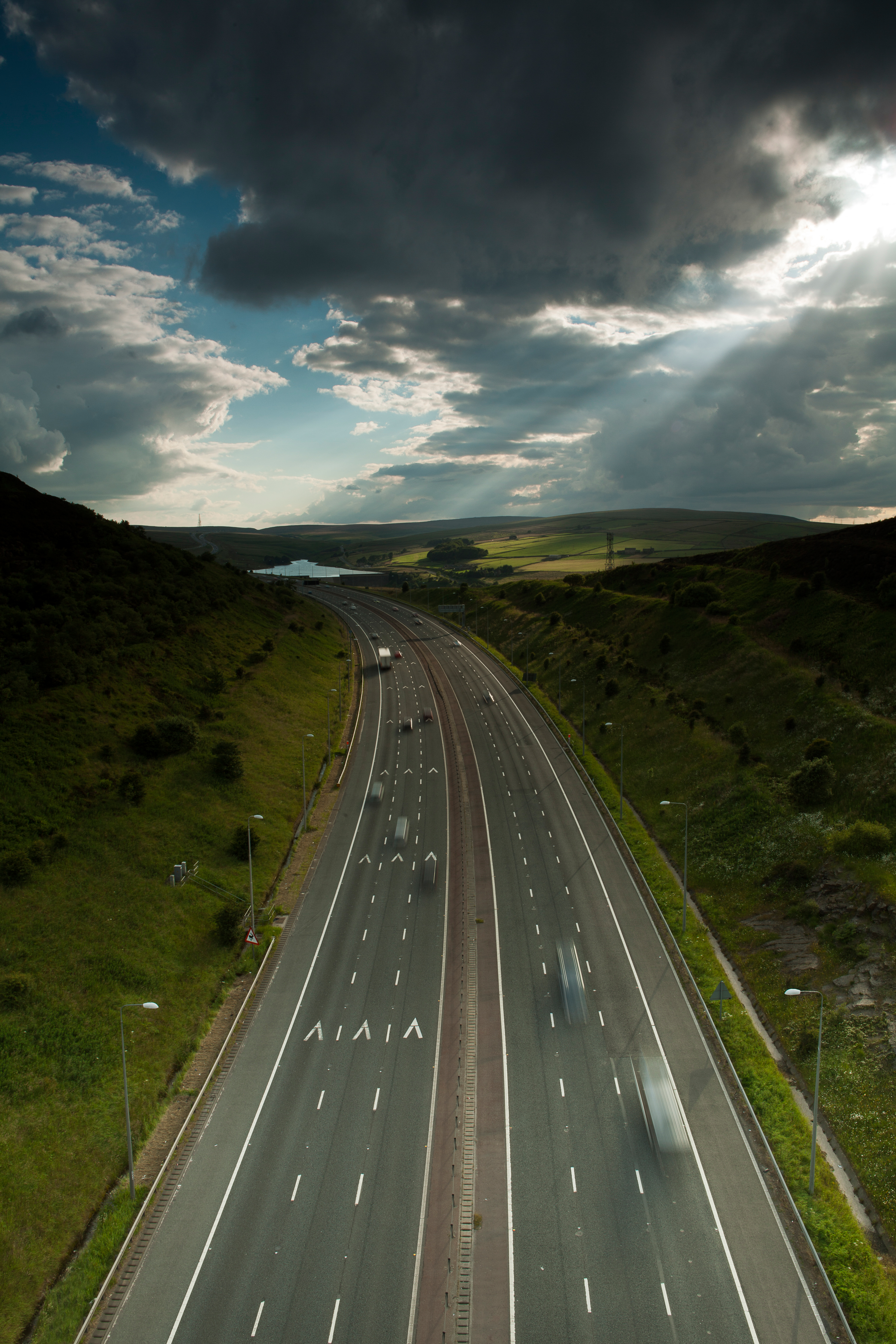

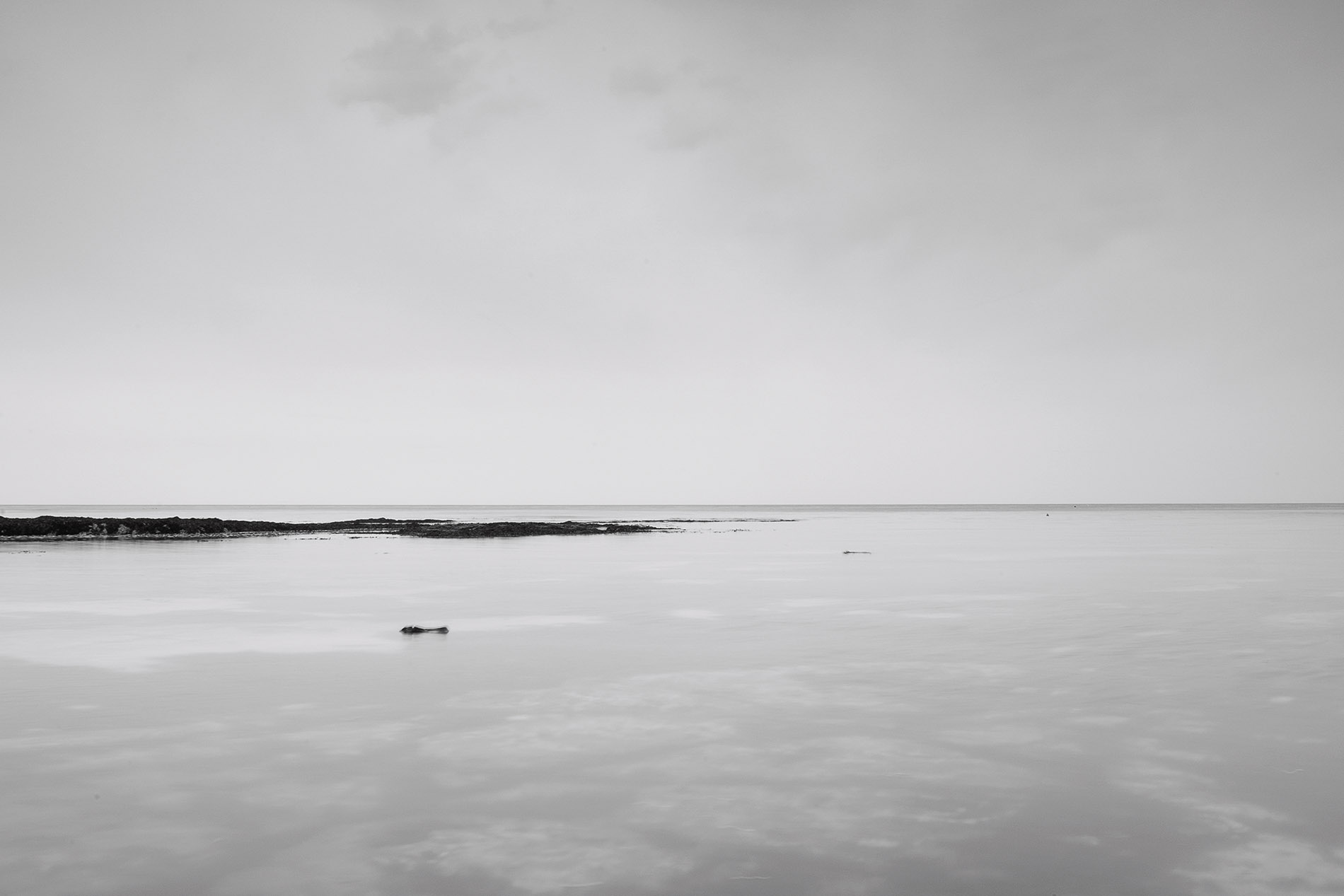
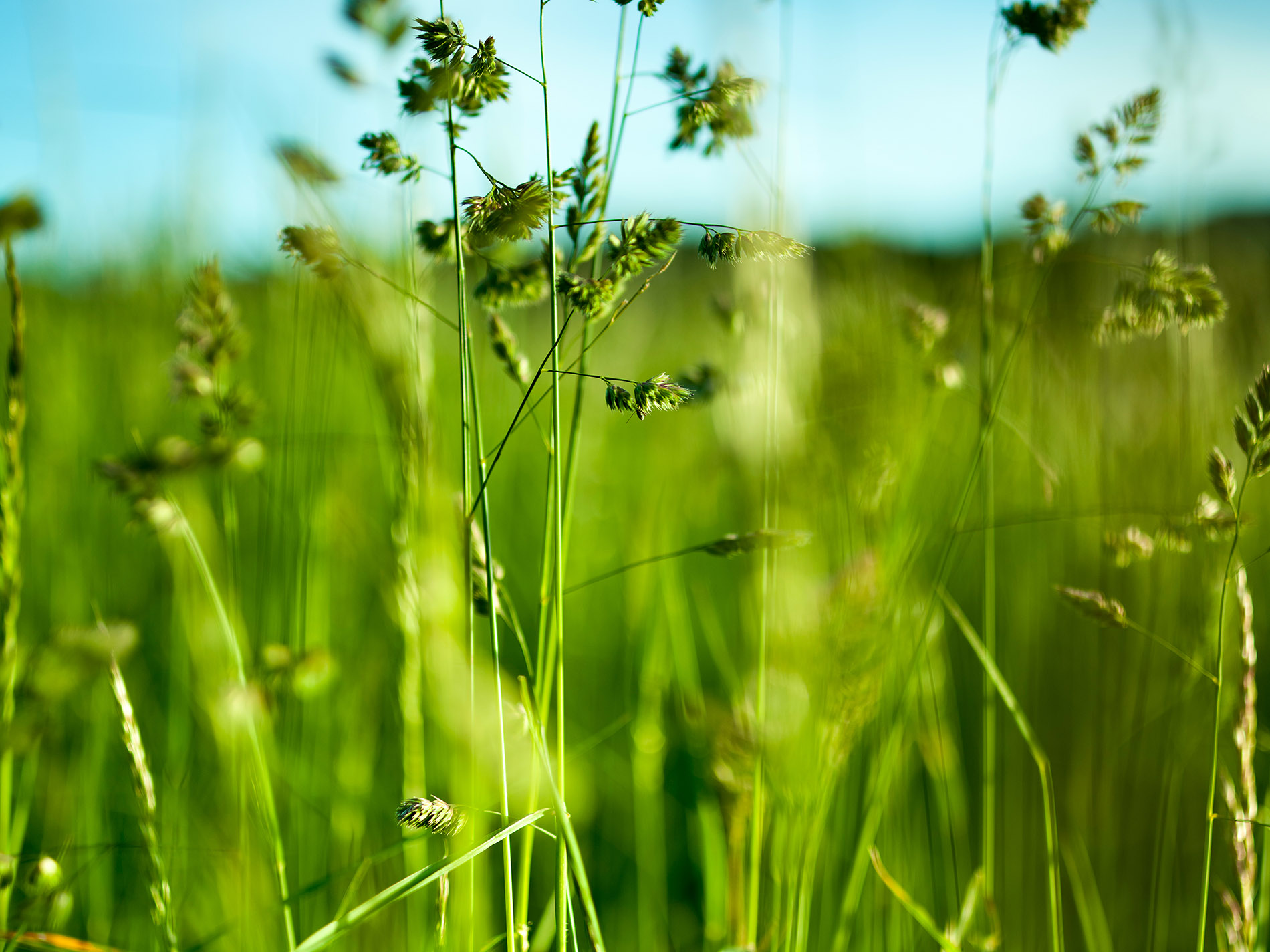
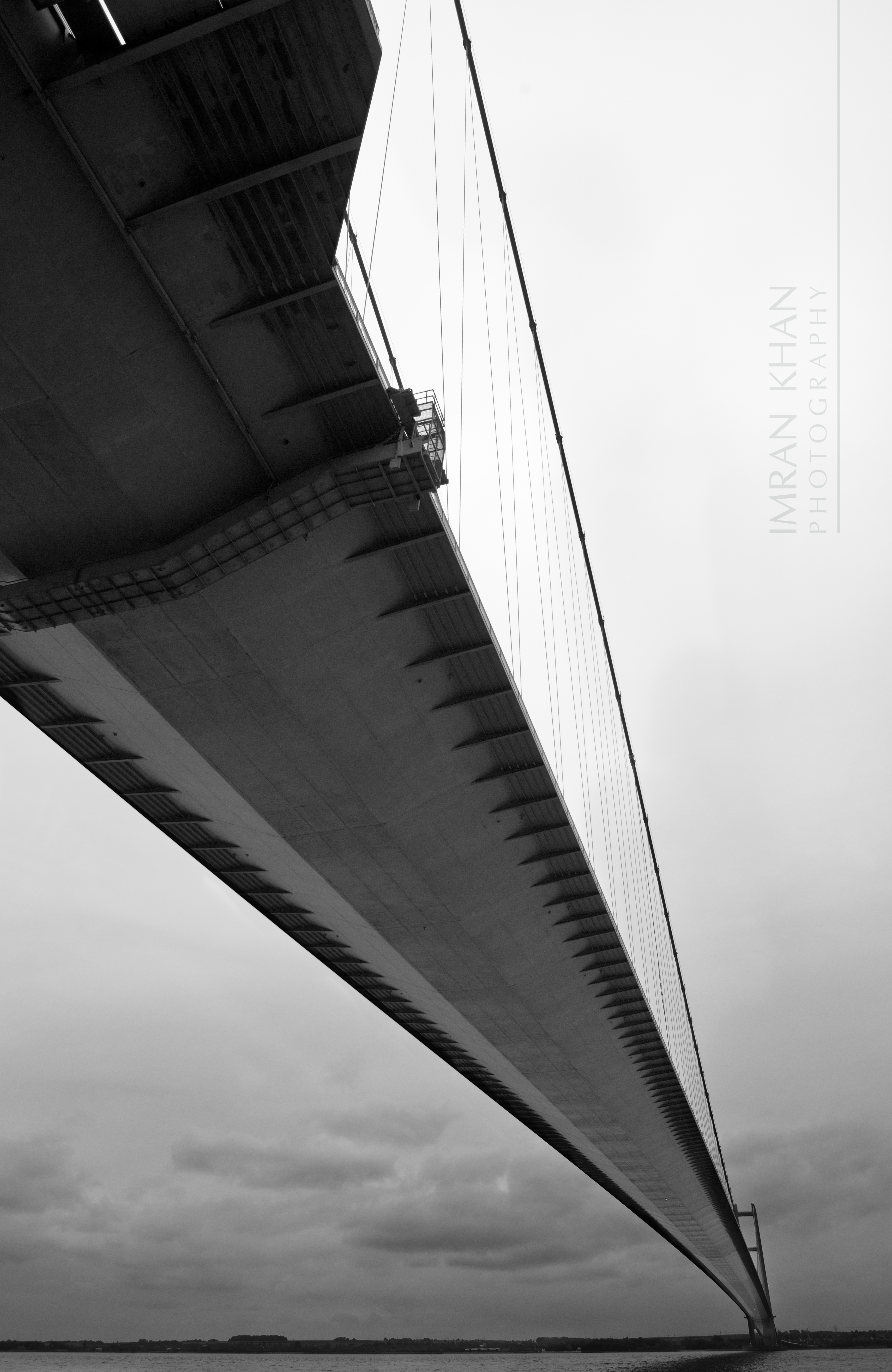
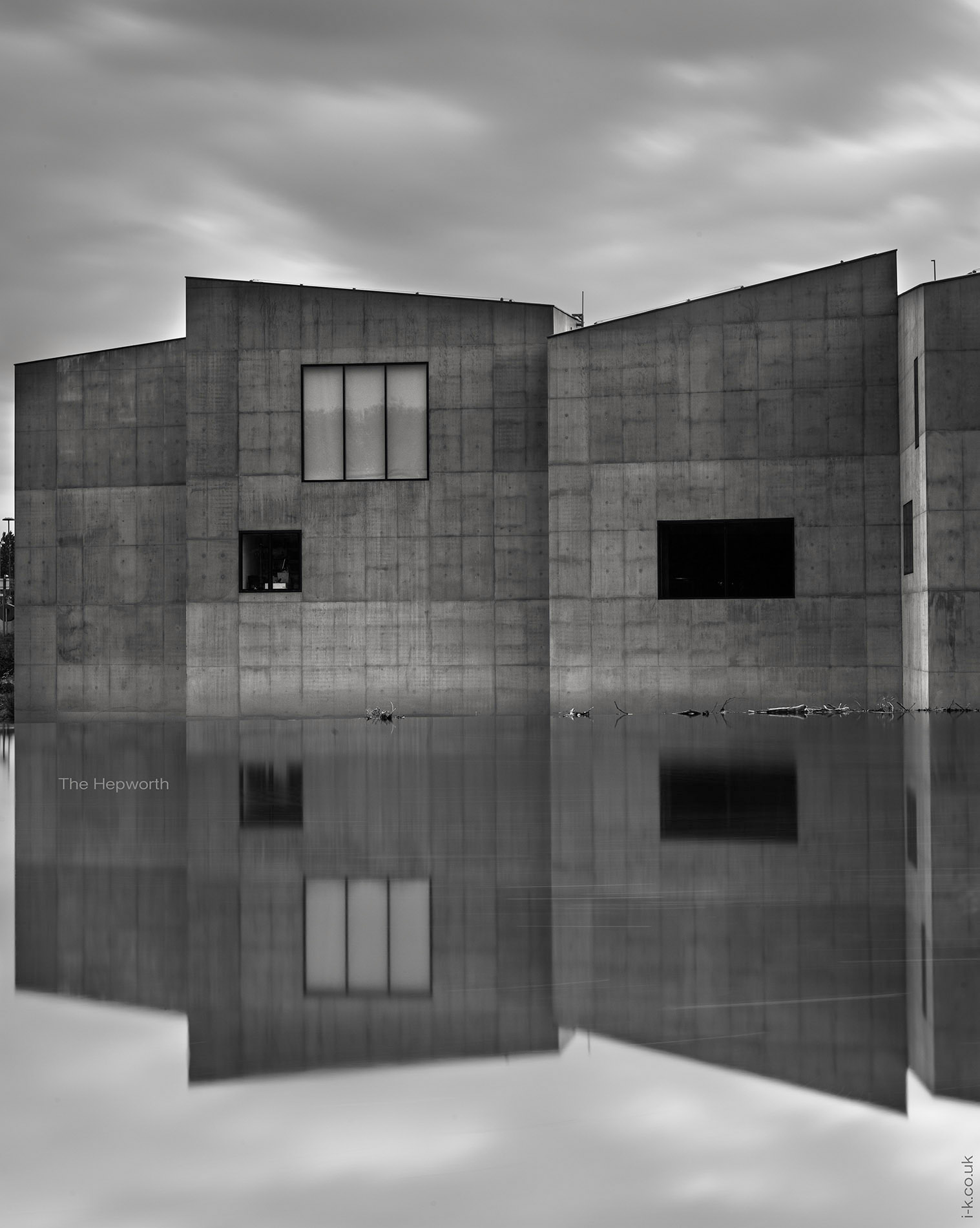
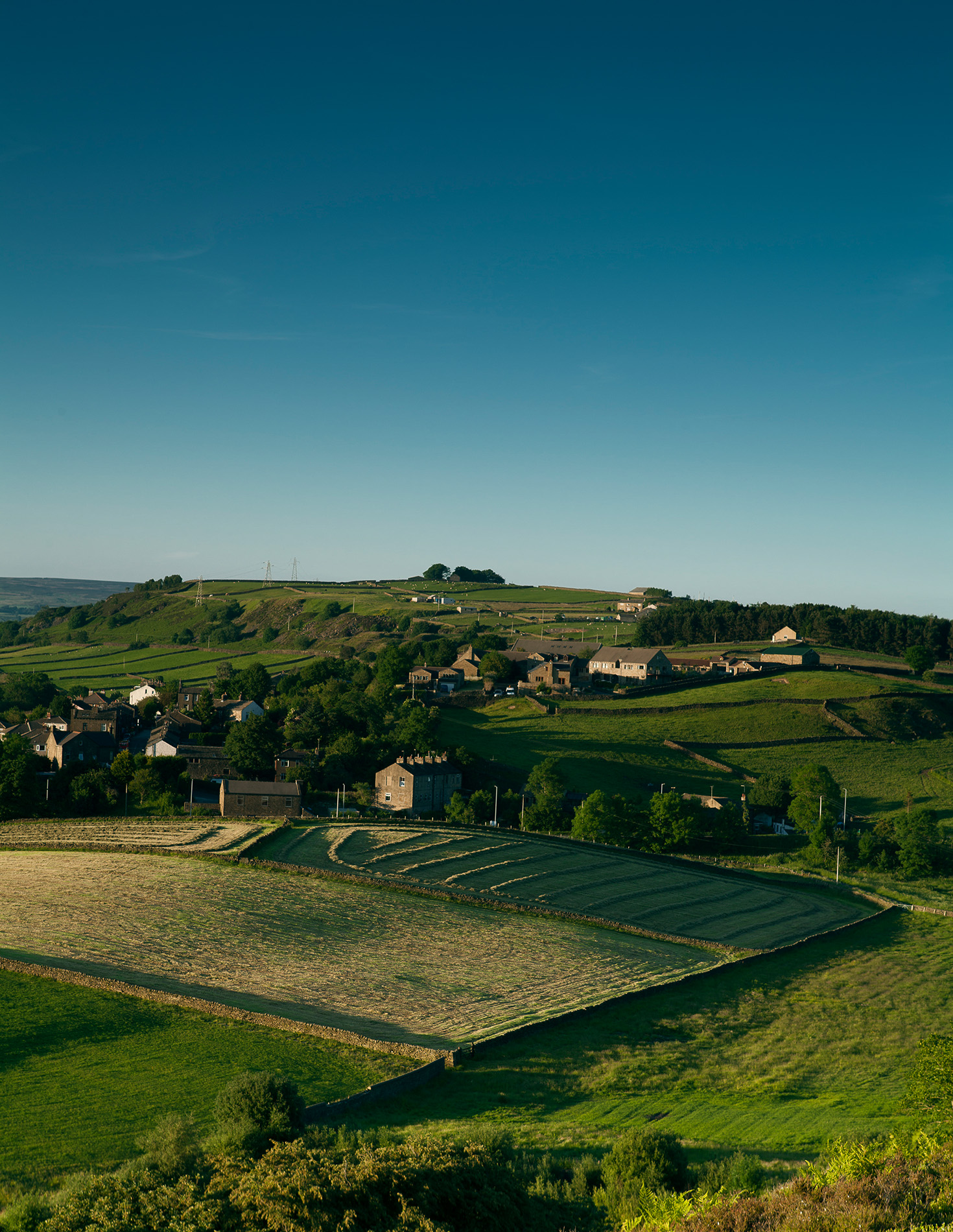
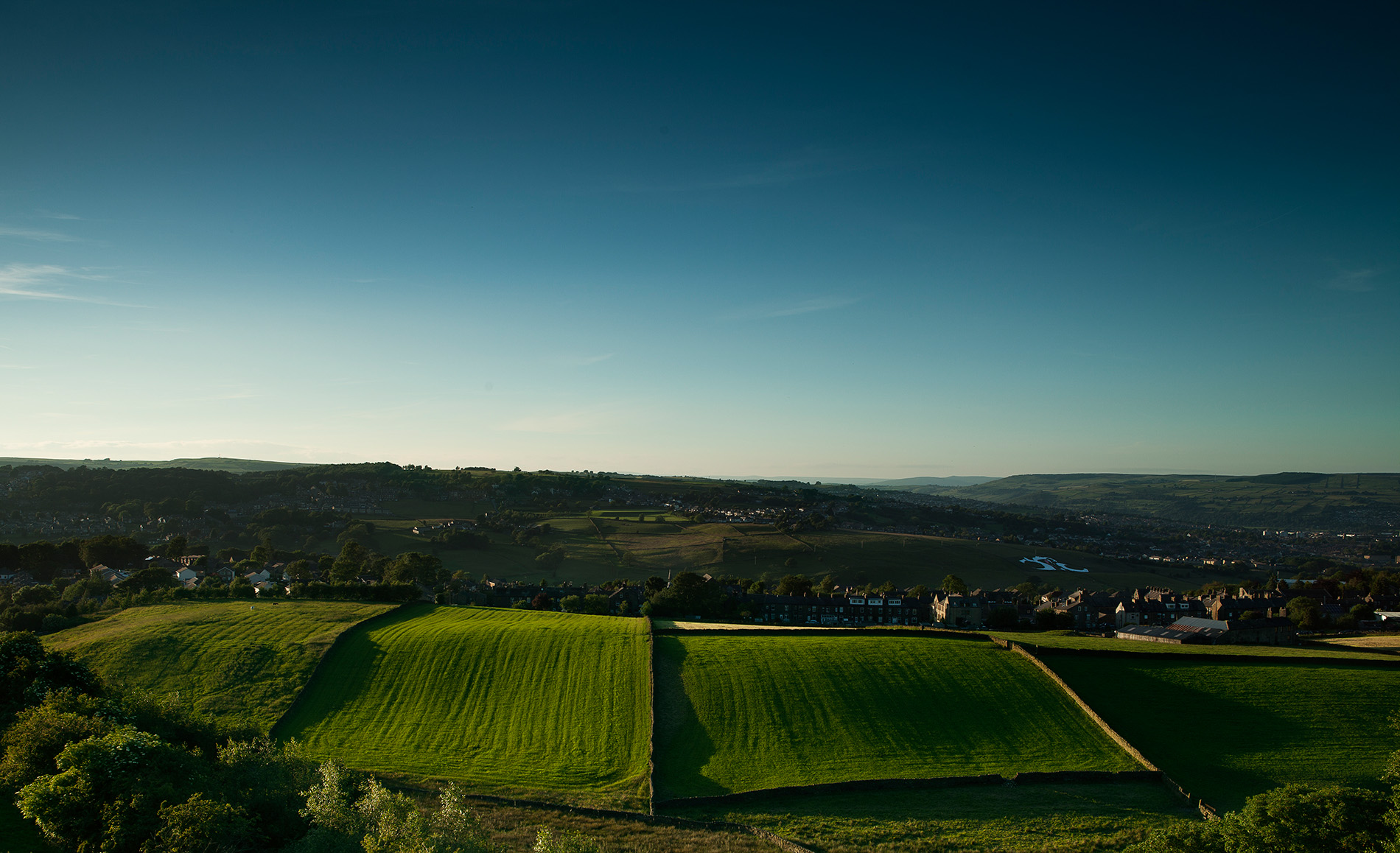
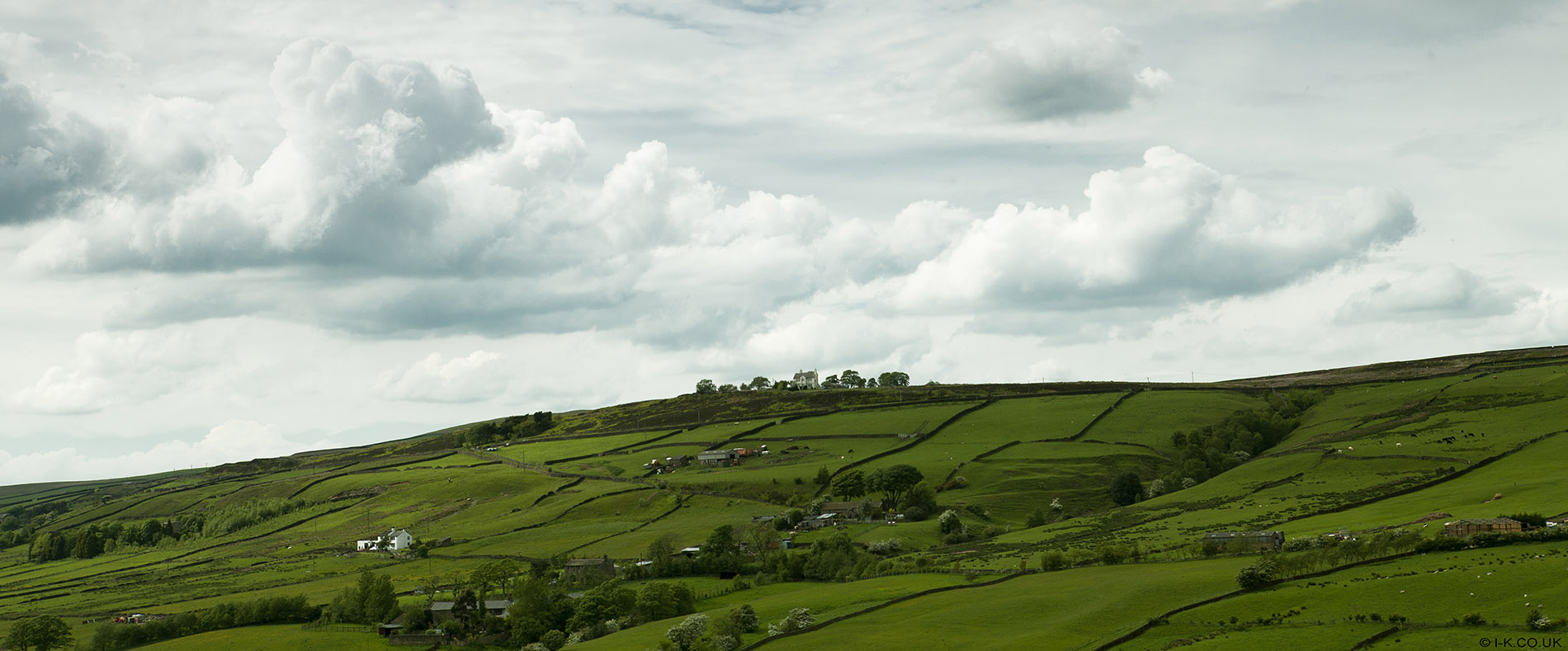
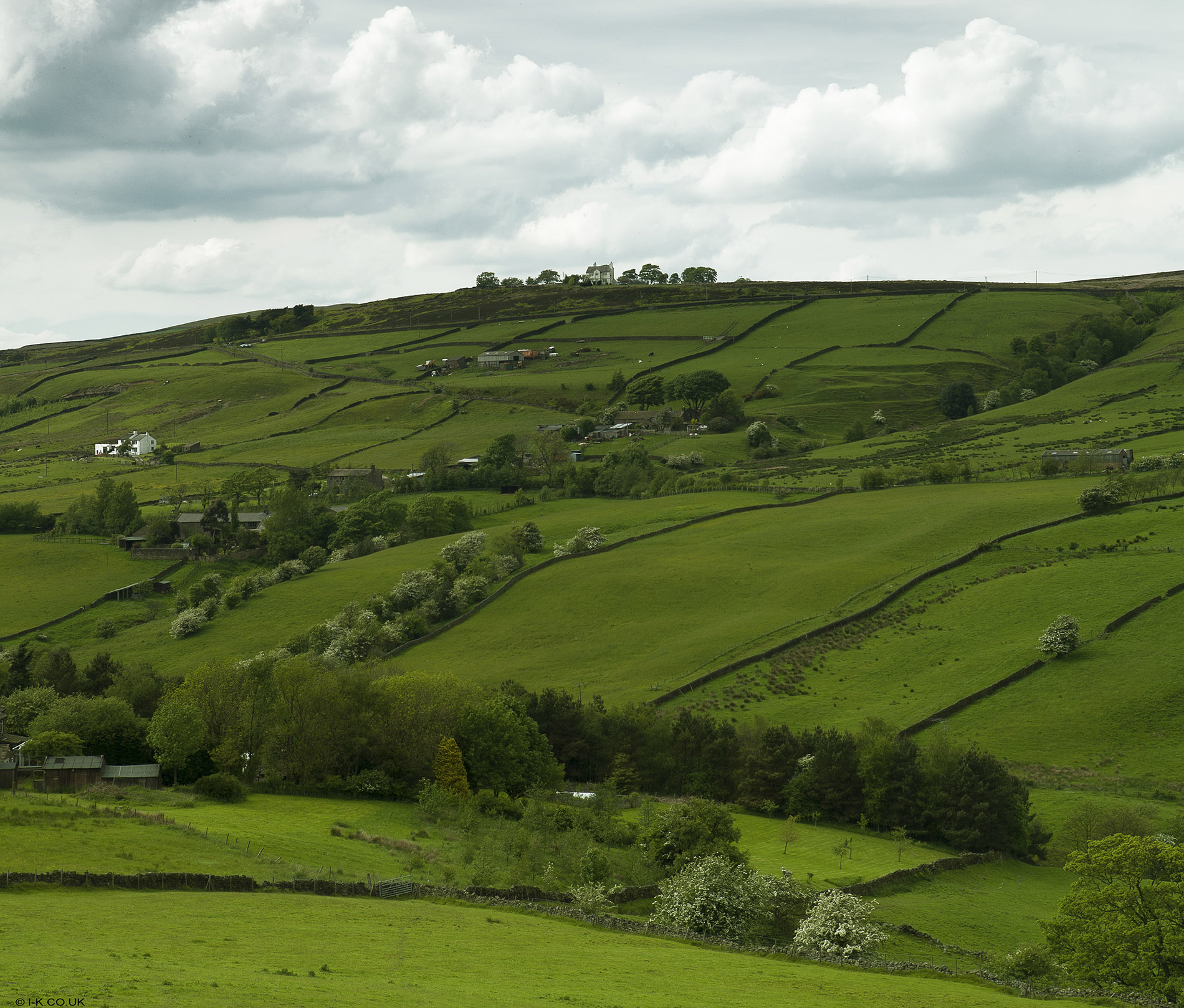
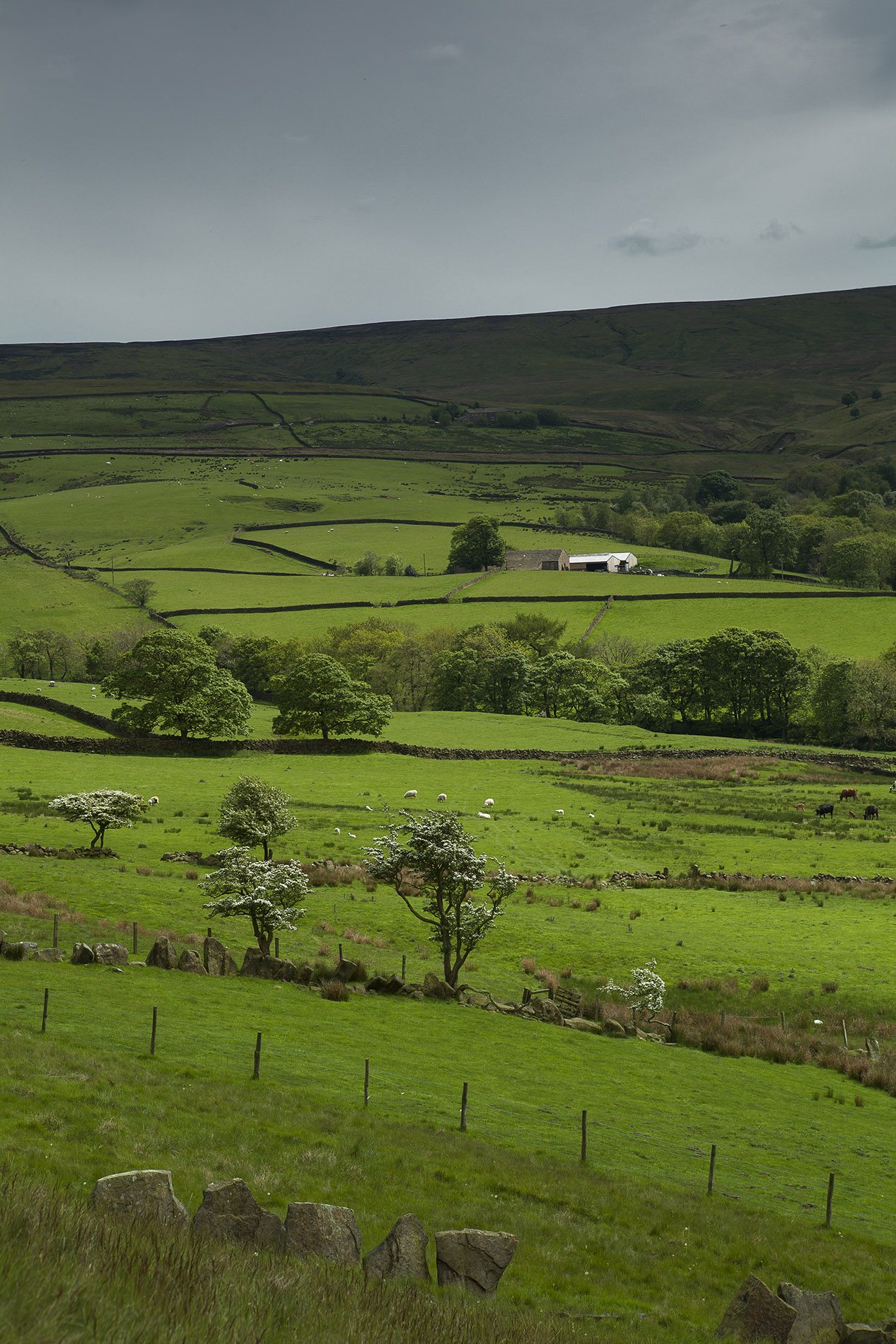
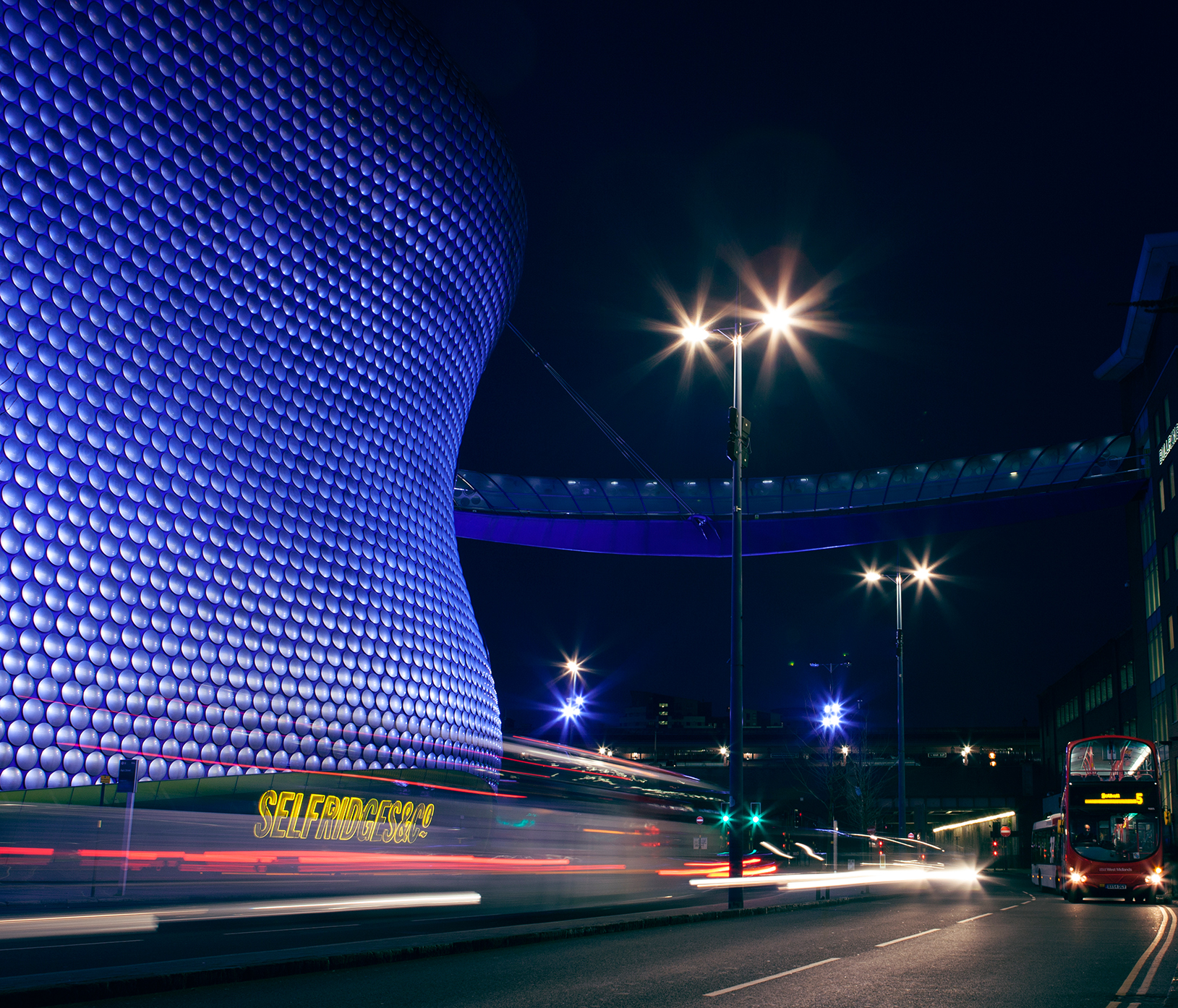
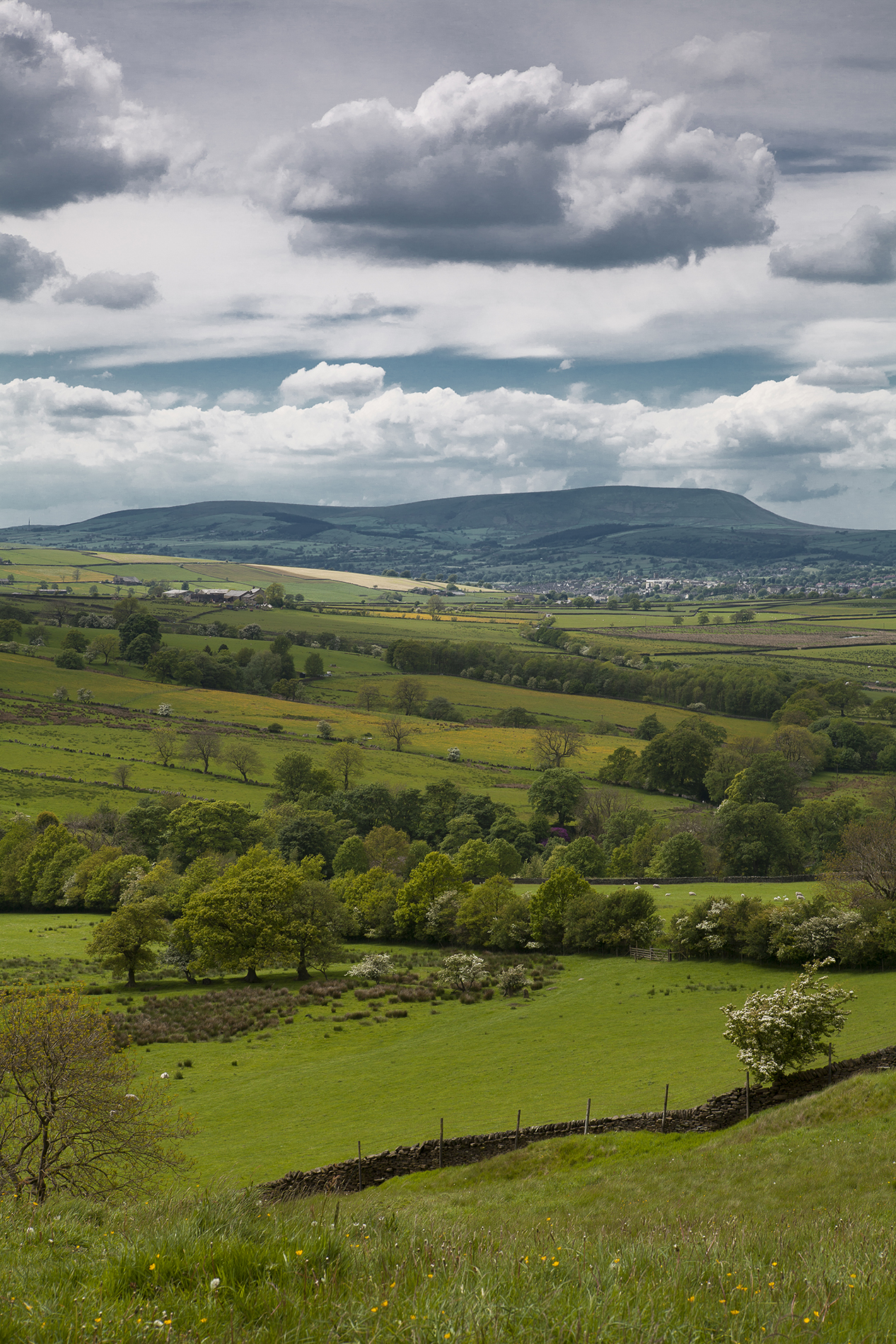
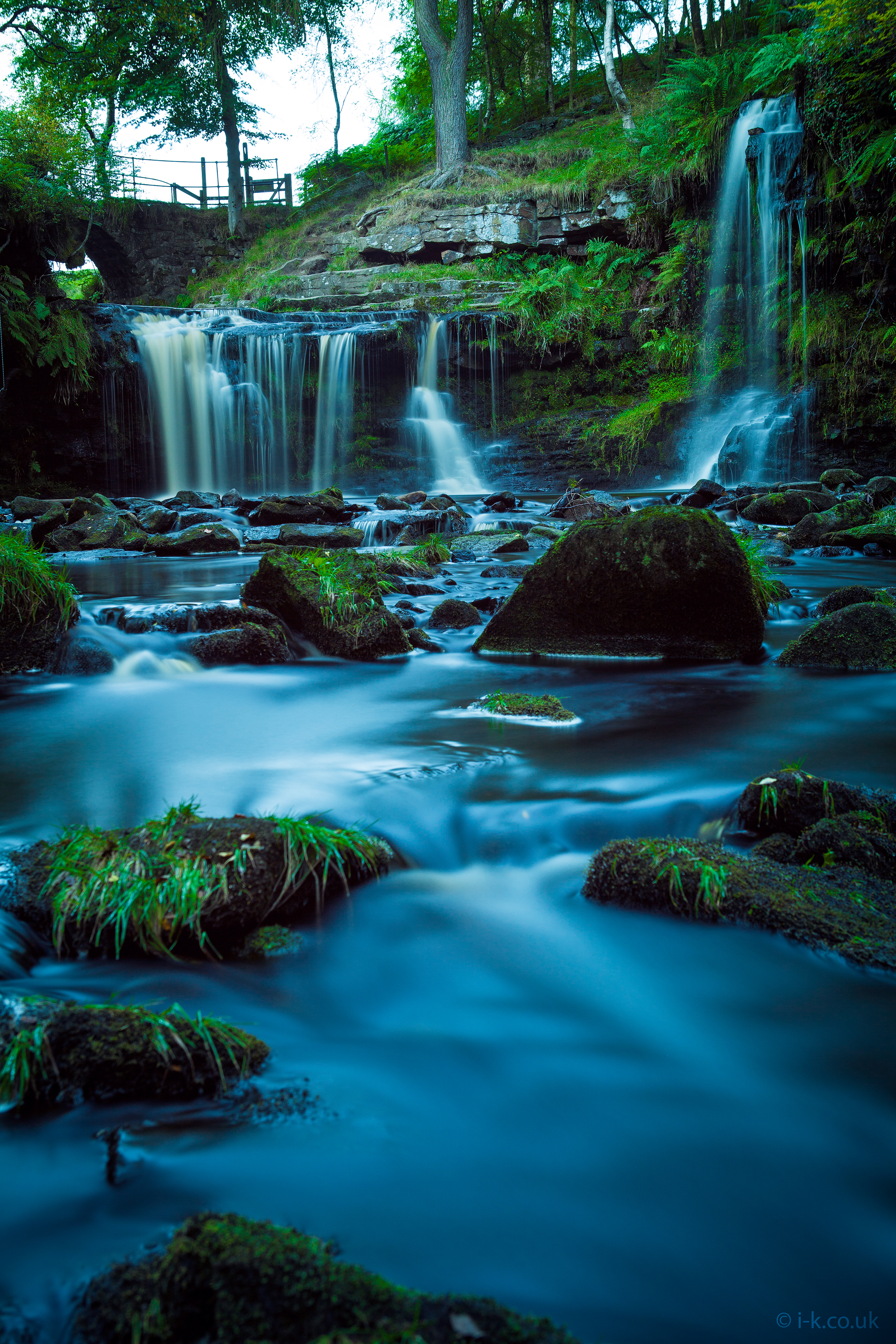
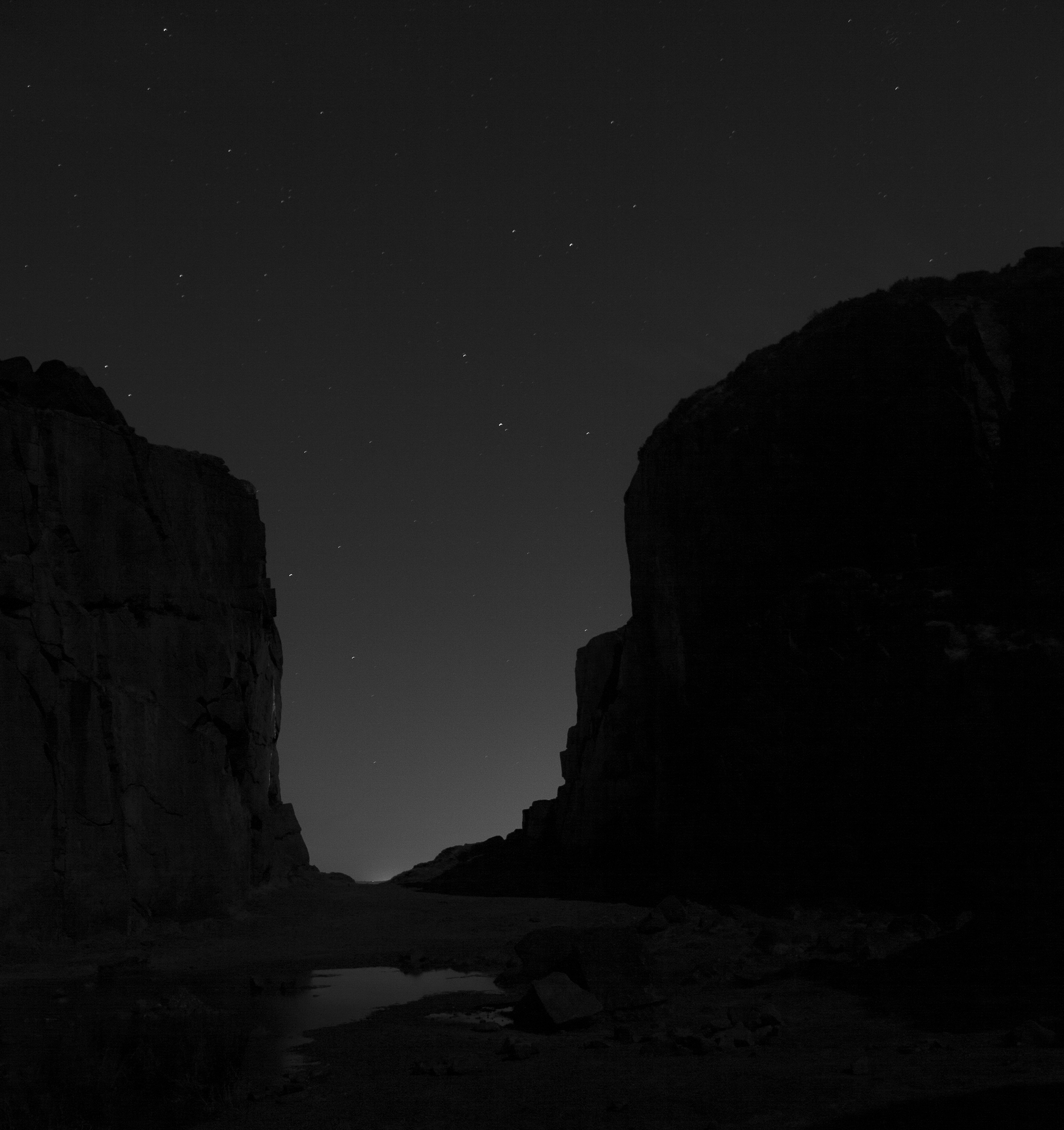


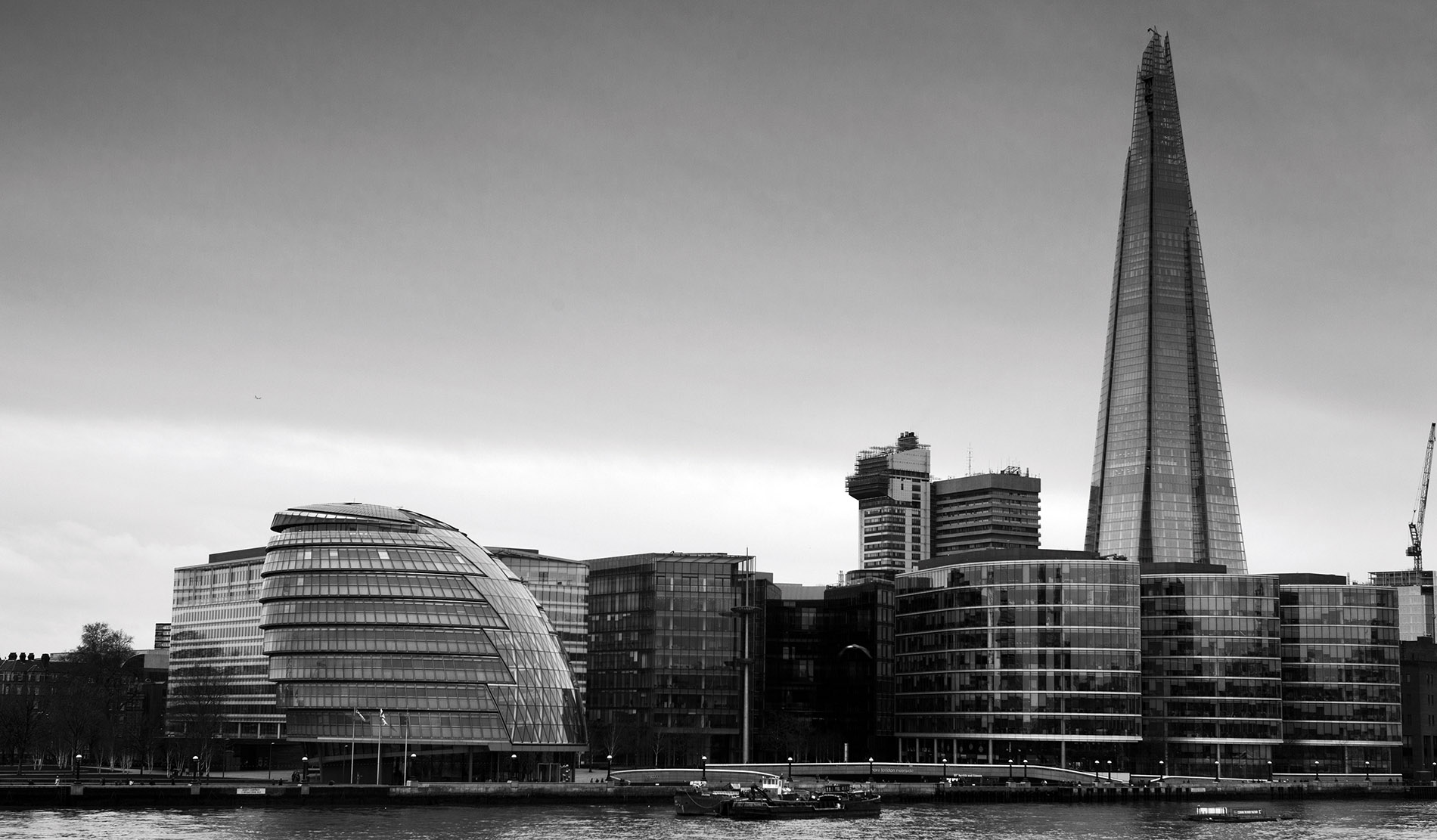

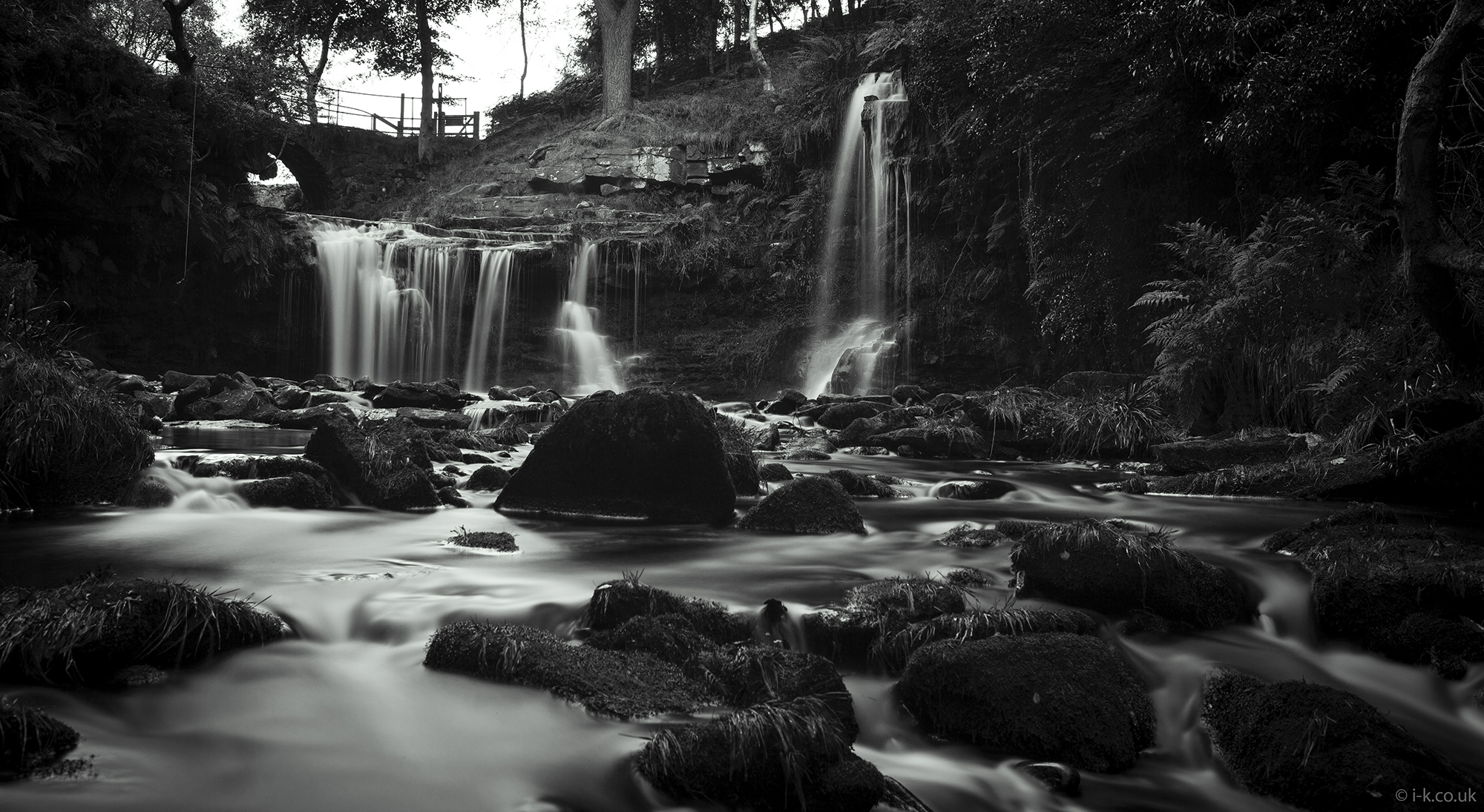
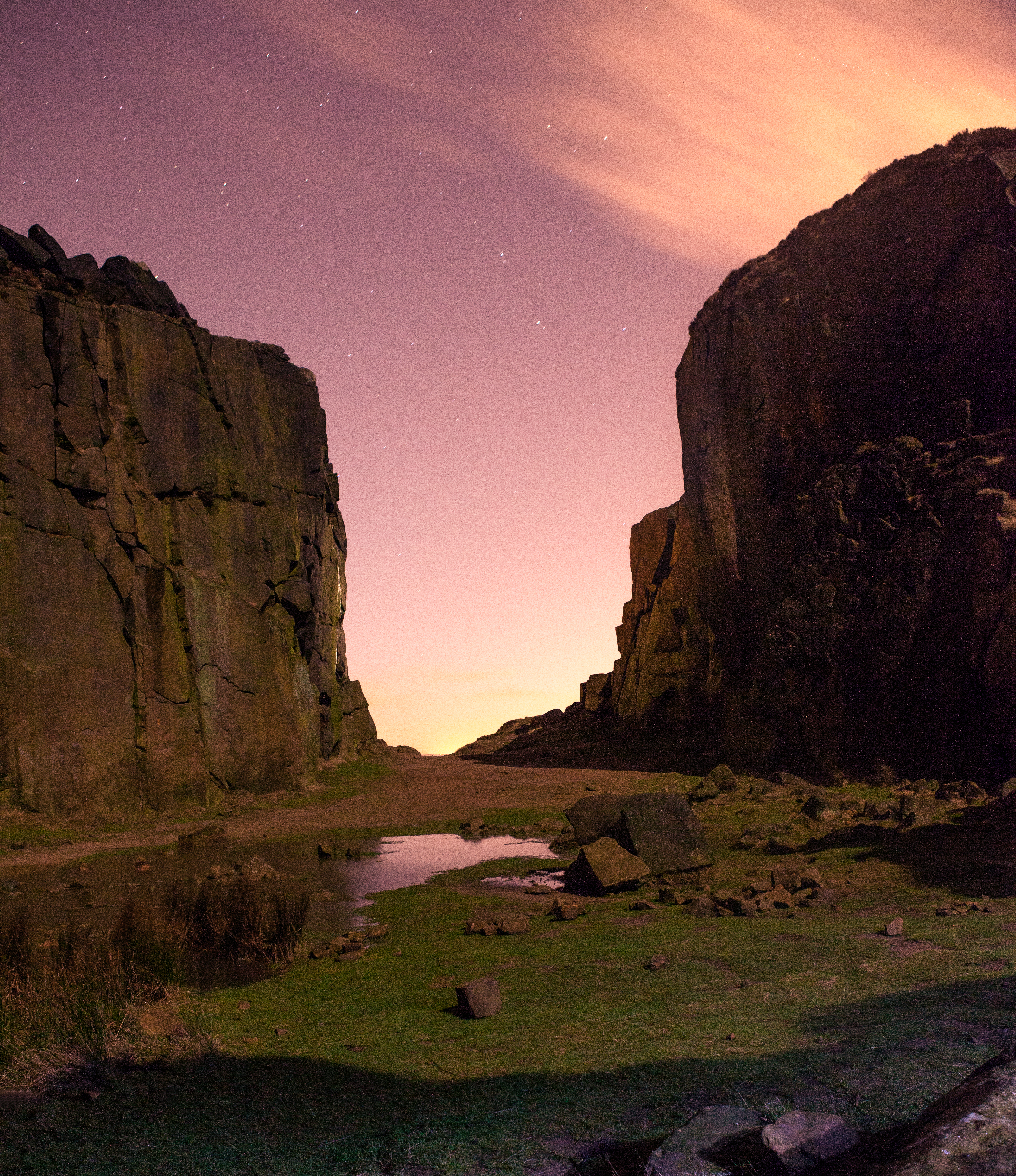
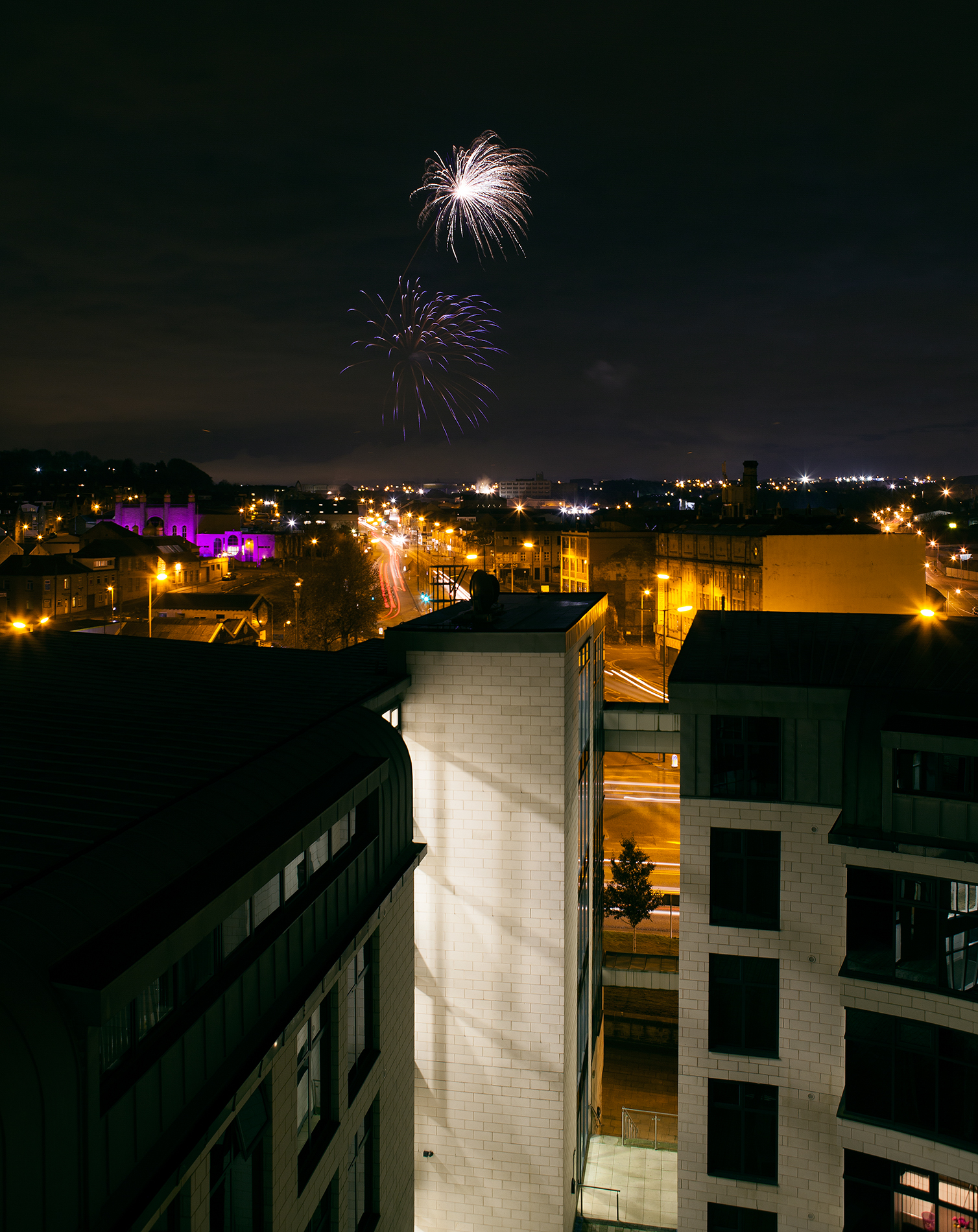


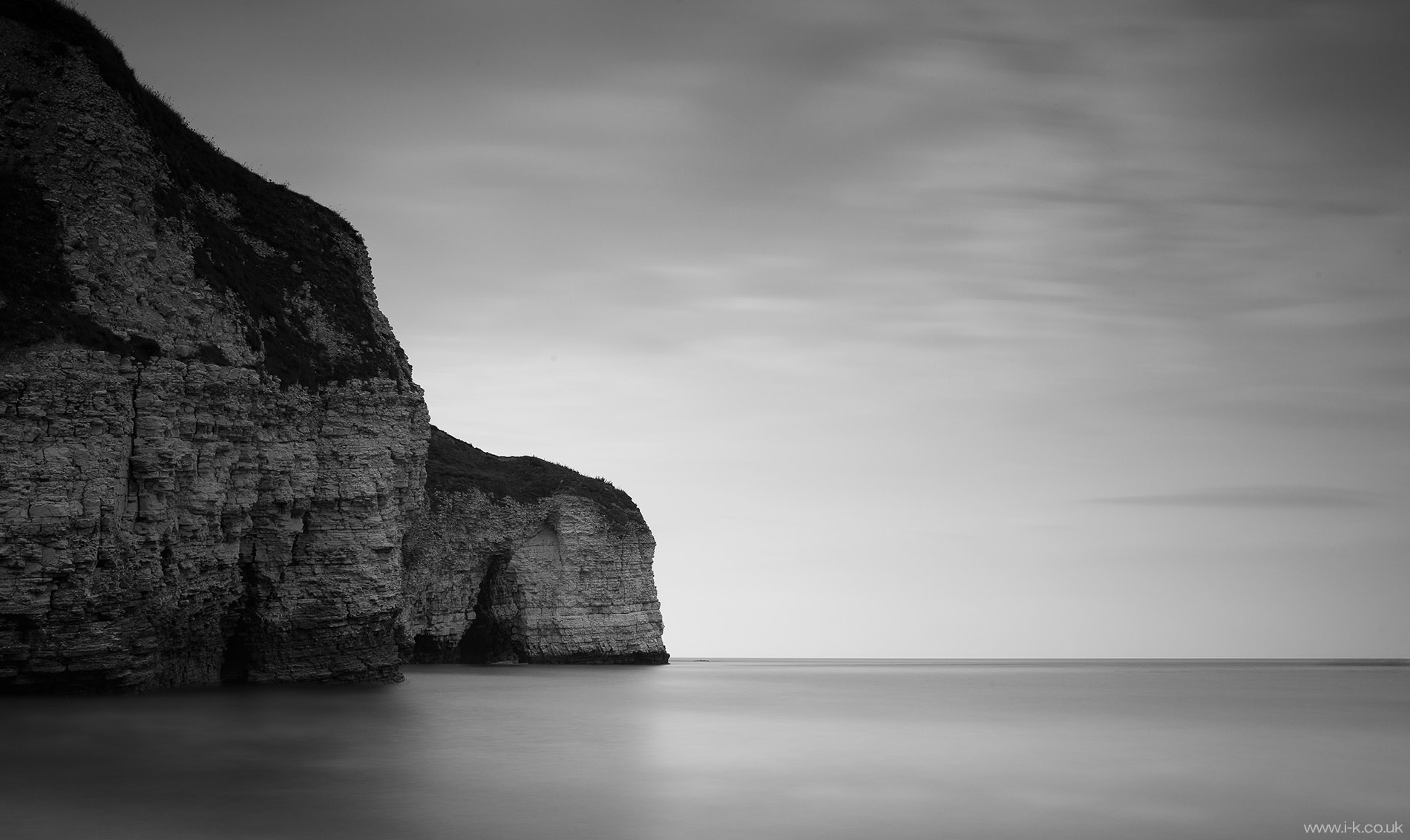
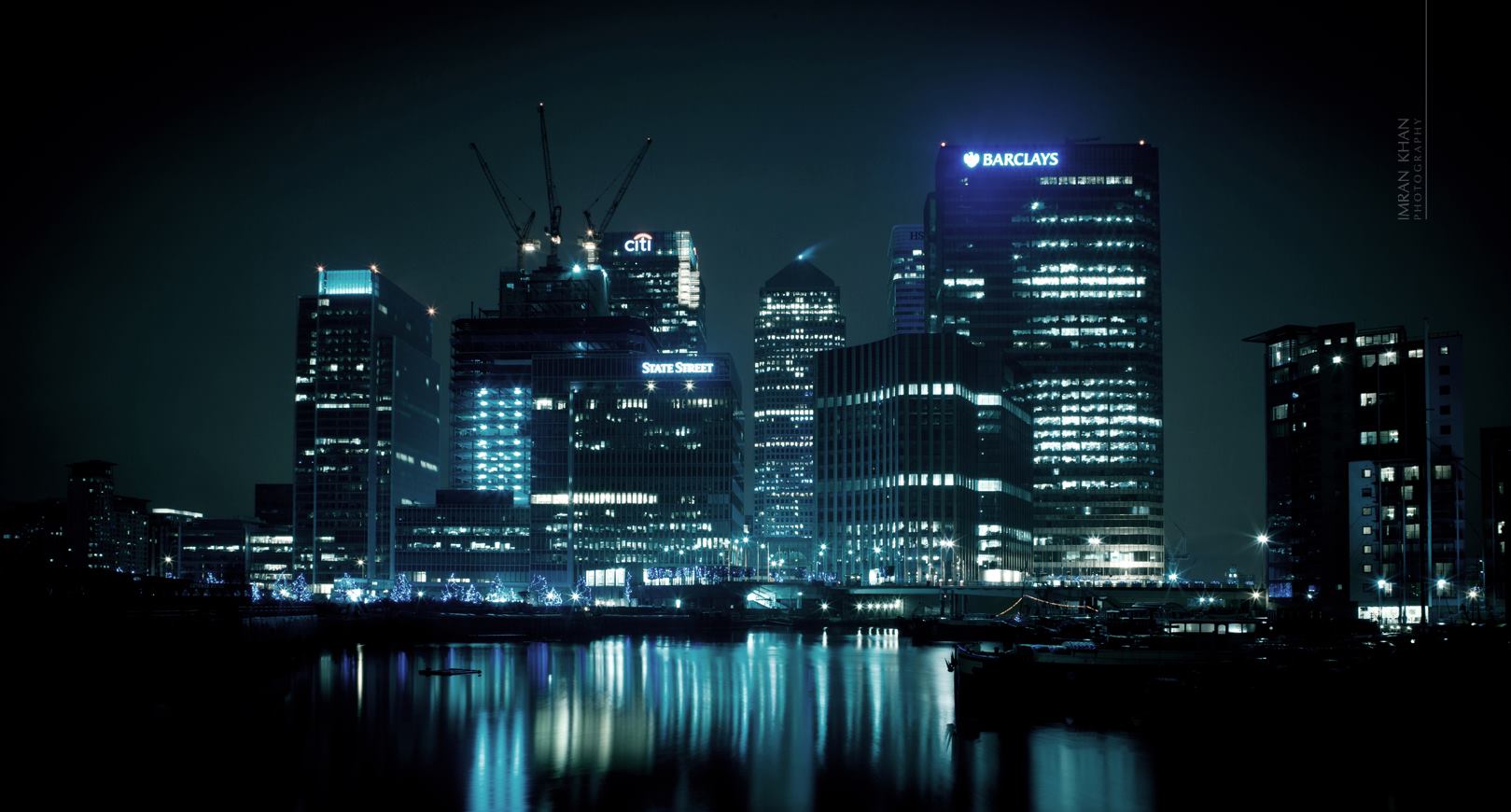
The art of landscape photography is the practice of capturing and showcasing the beauty of natural and man-made landscapes through the medium of photography. It involves capturing wide vistas, mountains, seascapes, forests, deserts, and other scenic locations to create visually appealing and captivating images.
Landscape photographers aim to convey the essence and mood of a particular landscape, evoking emotions and a sense of awe in the viewer. They carefully compose their images, considering elements such as lighting, colors, shapes, lines, textures, and perspective to create visually striking and aesthetically pleasing photographs.
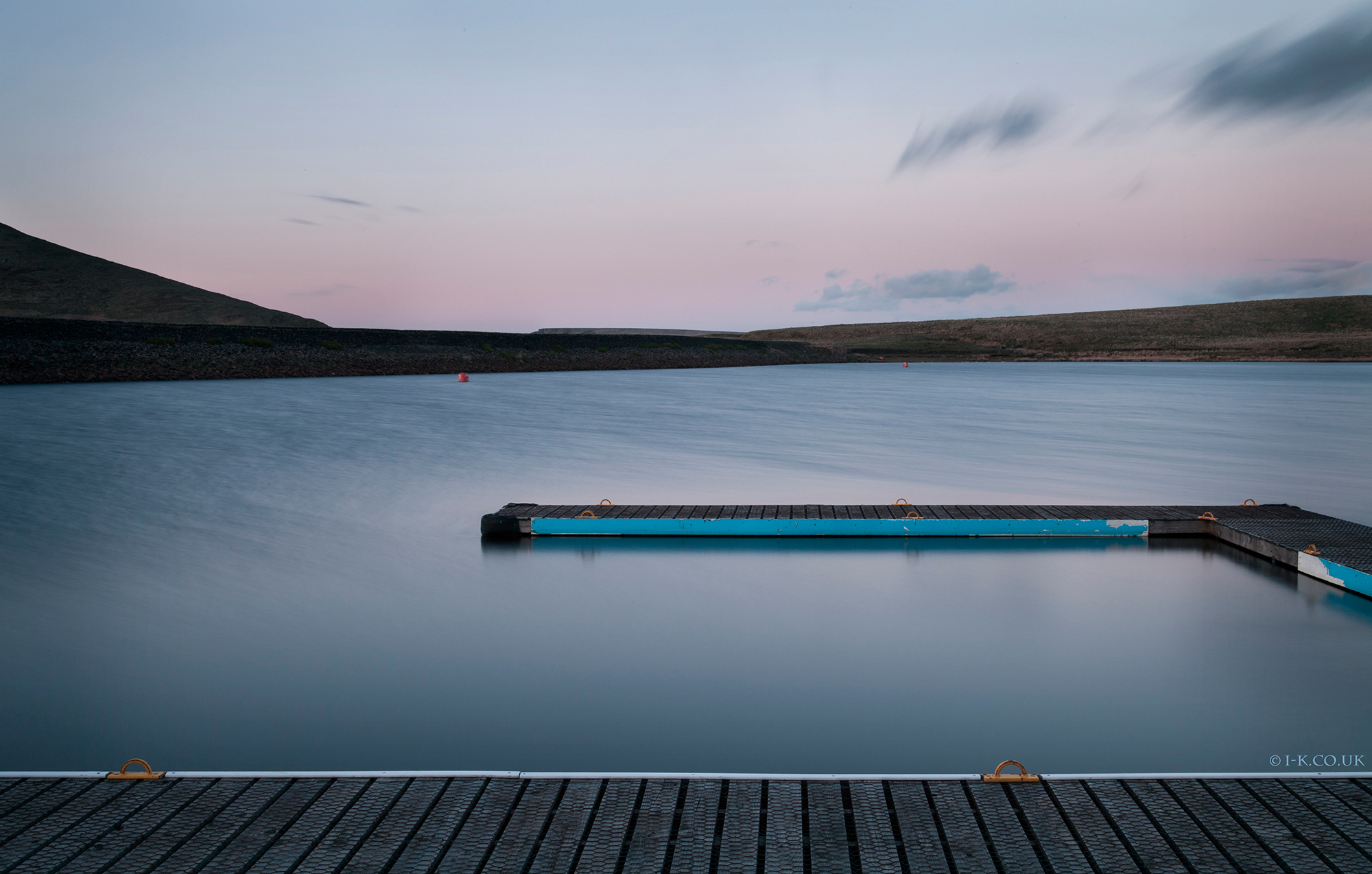
Composition plays a crucial role in landscape photography. Photographers often follow the rule of thirds, leading lines, and balance to create a harmonious arrangement of elements within the frame. They may also use various techniques, such as long exposures to capture the motion of water or clouds, or bracketing to capture a wide dynamic range in high-contrast scenes.
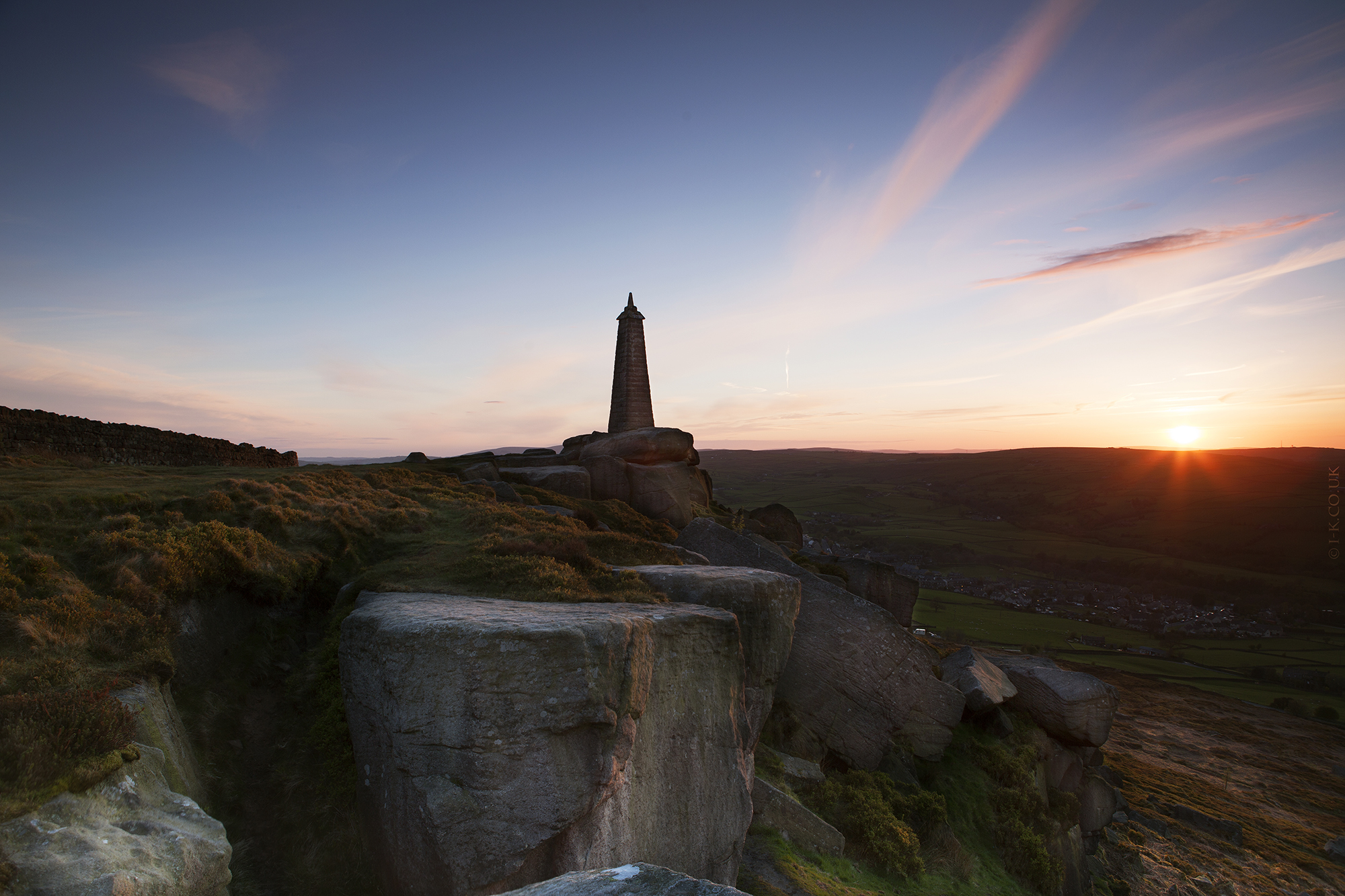
Additionally, landscape photographers pay close attention to light and its quality throughout the day. They may choose to shoot during the golden hours, which are the periods just after sunrise and before sunset when the light is soft and warm, or capture the dramatic light of sunrise or sunset. They also consider the weather conditions, seasons, and natural phenomena like fog, mist, or storms to add depth and interest to their photographs.
Post-processing is often a crucial step in landscape photography. Photographers use software like Adobe Lightroom or Photoshop to enhance their images, adjusting exposure, contrast, colors, and sharpness to achieve the desired look while maintaining the natural beauty of the scene. However, it’s important to strike a balance and avoid over-processing, as the goal is to represent the landscape as faithfully as possible.
Ultimately, landscape photography is not just about capturing a pretty picture but also about telling a story, conveying a sense of place, and inspiring an emotional connection with nature. It requires patience, creativity, technical skill, and an appreciation for the natural world.
 commercial photographer west yorkshire